A whole-home approach: the key to smarter energy-saving upgrades
October 1, 2026

Before you replace your furnace, install a heat pump or upgrade your windows, it helps to understand how the different parts of your homework together. Things like air sealing, insulation and heating systems can affect your comfort and energy use.
Taking a whole-home approach helps you see which upgrades will make the biggest difference. It can also help you find rebates and make smart choices based on your home's needs, your goals and your budget. Inspired by real conversations from our street team at local events, we'll look at three homeowner scenarios and how a whole-home approach helped them decide on their next step.
At a glance
- Your home is made up of many parts that work together—how they interact can affect how well an upgrade performs.
- Plan your next home upgrade using a whole-home approach instead of focusing on one upgrade at a time.
- Choose improvements based on your home’s needs, your goals and your budget.
- Review our latest rebates and see how you can combine offers to help lower your upfront costs.
What is a whole-home approach
Think of your home like a team. Air sealing, insulation, heating and cooling equipment, windows and appliances all work together to keep your home comfortable and efficient. If one part isn't performing well, the others have to make up for it. For example, a drafty, poorly insulated home can make your heating system work harder, increasing overall energy use. Improvements such as weatherstripping exterior doors, upgrading insulation, getting new windows or more efficient equipment can help your home perform better as a whole while reducing heat loss, energy use and possibly your bill.
That's the idea behind a whole-home approach: looking at how everything in your home is connected so you can prioritize upgrades that improve comfort and efficiency. While it's common to tackle renovations one project at a time, taking a big picture view can help you get more value from your investment. Let's take a closer look at the key elements of your home and the role each one plays:
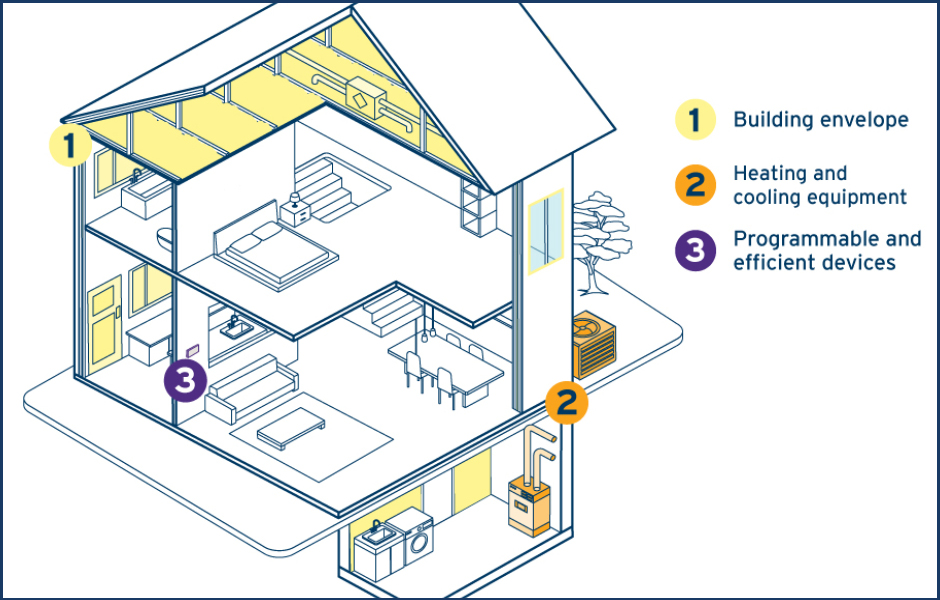
1. Building envelope
A home's envelope helps keep cool air inside on a hot day and cold temperatures outside on a chilly one. It includes:
- air sealants like caulking
- insulation
- windows
- doors
A well-sealed and well-insulated home can improve comfort, reduce drafts and help lower heating and cooling needs.
2. Heating and cooling equipment
Heating and cooling system works hand in hand with a home's building envelope. Equipment may include:
- furnaces
- heat pumps
- boilers
When a home’s envelope is more efficient, your equipment can operate more efficiently and effectively too.
3. Programmable technologies
Wi-Fi-connected technologies can help you better understand and manage your energy use. A connected thermostat or smart devices can show you how and when you're using energy most, helping you adjust your use to meet your needs.
Don’t know where to start? My energy use is a convenient tool that provides personalized insights, including which appliances consume the most energy, along with recommendations to help you save. Combined with energy-efficient equipment and appliances, it can help you use less energy overall. Log into your Account Online to learn more.
A whole-home upgrade in action
Inspired by real conversations with customers at local events, these three homeowner scenarios highlight common household challenges and how a whole-home approach can help identify the best place to start. By considering your home's condition, your goals and your budget, you can prioritize upgrades, tackle no-cost and low-cost improvements first and take advantage of available rebates to get more from your renovation budget.
Note: to qualify for some rebates, you’ll need to work with a qualified contractor. Terms and conditions apply.
The appliance maintenance fix
Homeowner: Javier
Home: 2000s townhouse with inefficient heating equipment
Goal: have his existing furnace and indoor fireplace inspected and maintained

Javier has lived in his townhouse for five years and wants to improve comfort and manage his energy use before winter. His gas furnace still heats the home effectively, but it's running longer than it used to and some rooms feel cooler than others. Rather than immediately replacing his furnace, Javier takes a whole-home approach and considers what might be affecting his home's overall performance.
He starts with a few low-cost improvements, such as sealing drafts and programming his thermostat settings, and then schedules a licensed gas contractor to inspect and maintain his furnace and indoor gas fireplace. The inspection confirms that both appliances are operating safely and efficiently, allowing Javier to avoid a costly replacement for now. He also learns that improving insulation could help reduce heat loss and ease the workload on his heating system. By taking a whole-home approach, Javier can:
- address lower-cost opportunities first
- use available rebates for eligible maintenance and future upgrades
- create a longer-term plan for improvements such as insulation
Key takeaway: A whole-home approach isn't always about major renovations. Regular maintenance can help keep your furnace, fireplace, boiler, tankless water heater or heat pump operating safely and efficiently. You could get up to $150 in rebates if you have your appliances serviced by a licensed contractor.
Not sure what’s the issue with your furnace? Here are some common furnace issues and how to fix them.
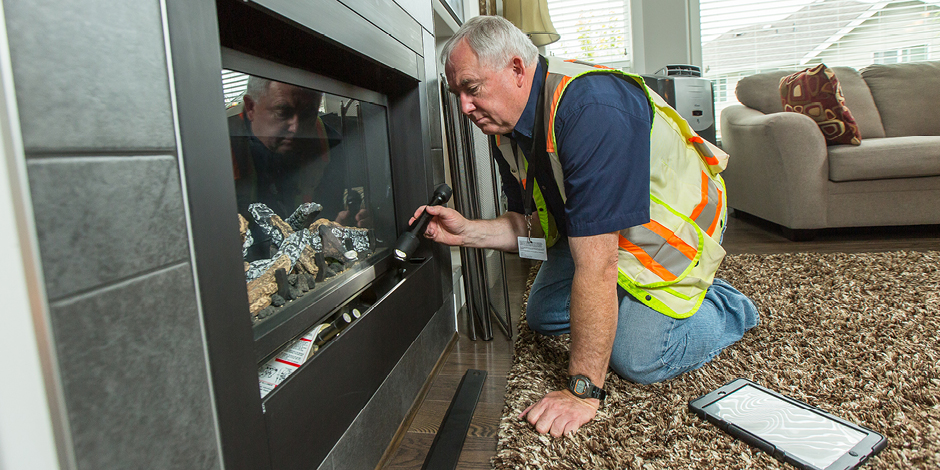
A licensed gas contractor servicing a gas fireplace.
The drafty house renovation
Homeowners: Eva and Jun
Home: 1980s duplex with air leakage issues
Goal: replace old windows to make their home more comfortable in the fall and winter

Eva and Jun notice cold drafts around several windows in their home. On cooler days, they can feel cold air near the window frames and some rooms are harder to keep comfortable in winter. To confirm where air was entering the home, they held a lit candle near their windows and noticed the flame flickering, a sign of air leaks. Convinced their older windows are the problem, they consider replacing all of them.
Before committing to a major renovation, they take a whole-home approach and get estimates from local contractors. They confirm that the windows contribute to heat loss, but they also reveal a bigger issue: air leaks around the home's exterior windows and doors and insufficient attic insulation are responsible for much of the inconsistent temperatures they're experiencing.
With this information, Eva and Jun rethink their plan. Rather than replacing all their windows immediately, they start with lower-cost improvements that could have a bigger impact. They add weatherstripping and caulking around their windows and doors and hire a contractor to improve their attic insulation. After completing these upgrades, they plan to reassess their home's comfort and energy use before deciding whether window replacement is still necessary. By taking a whole-home approach, Eva and Jun can:
- start with lower-cost improvements that can minimize heat loss
- take advantage of available rebates for insulation
- prioritize the improvements likely to deliver the greatest comfort and energy savings
- make informed decisions about future renovations instead of tackling costly upgrades before they're necessary
Key takeaway: what seems like a window problem may actually be an air sealing and insulation problem. Looking at the home as a system helps homeowners invest where it matters most.
Can new windows and doors help you save energy and money? They certainly can! See if a window or door upgrade is for you.
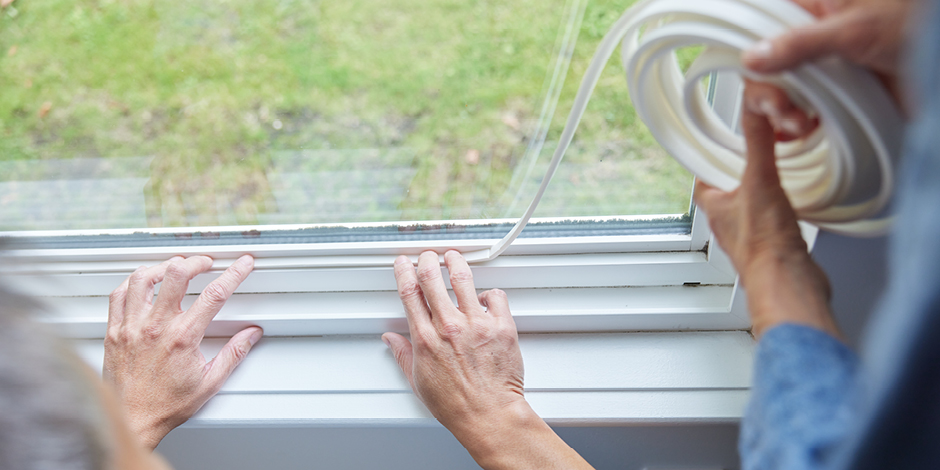
Weatherstripping is a great low-cost option to reduce drafts around window and door frames.
The heat pump upgrade
Homeowners: Priya and Toni
Home: 1990s single-family detached house with an aging electric furnace
Goal: lower energy use and improve cooling in summer

Priya and Toni know their furnace is nearing the end of its life, and they're thinking about their next steps. They’re considering options, including replacing the furnace with a high-efficiency model or installing a heat pump. They also want to replace their old clothes dryer with a more energy-efficient model.
Before making any decisions, they take a whole-home approach and review their home's condition, their comfort needs, energy goals and available FortisBC rebates. Parts of their home have insufficient insulation. Their contractor explains that improving the building envelope first could reduce heat loss and may allow for a smaller, more appropriately sized heating system, whether they choose a heat pump or another heating system.
With this information, Priya and Toni decide to start with air sealing and insulation improvements and opt for an air source heat pump. They also plan to replace their dryer with an energy-efficient model. By taking a whole-home approach, Priya and Toni can:
- compare heating options and choose what works best for their needs and budget
- combine eligible rebates and earn a bonus for completing two or more qualifying upgrades
- improve insulation and air sealing before investing in larger upgrades
Key takeaway: the best upgrade isn't always the first one you had in mind. A whole-home assessment can help identify improvements that should come first and support better long-term results. And don’t forget, we have rebates! Combine our offers where you can and save.
If you’re starting with insulation, learn how to upgrade your insulation for comfort and energy savings.
Not sure which heating system is best for you? Heat pump vs furnace? How to choose the best heating system for your home.
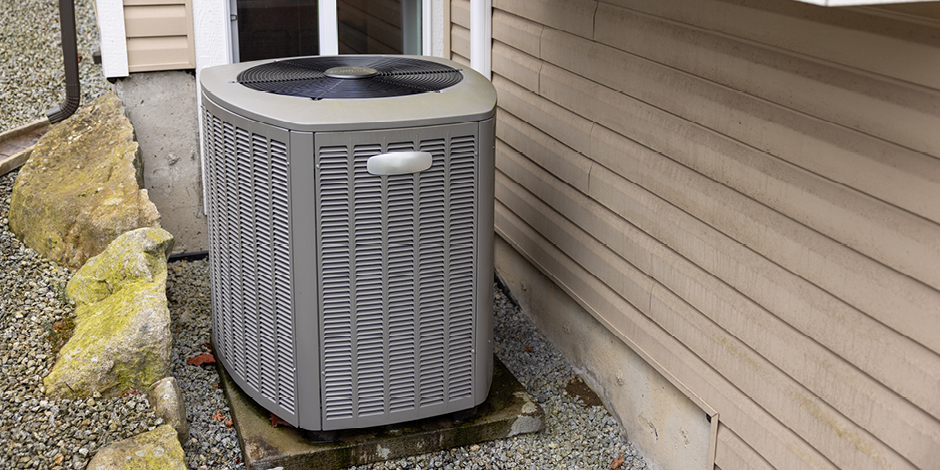
Stay comfortable year-round with a high-efficiency heat pump.
How your home can benefit from a whole-home approach
Every home is different, but a whole-home approach always starts with understanding how your home is performing today. Are some rooms harder to heat or cool? Do you notice drafts, aging equipment or higher energy use than expected? Identifying the underlying issue can help you focus on upgrades that improve comfort and efficiency while making the most of your budget.
Not sure where to start?
If your home feels drafty, it may be worth looking at weather-stripping and insulation before investing in larger upgrades. If your heating equipment is aging, a maintenance visit can help you understand its condition and whether replacement should be part of your long-term plans. If your energy use seems higher than expected, reviewing your energy habits and looking for opportunities to reduce heat loss can be a good first step.
The key is to focus on the problem you're trying to solve rather than jumping straight to a specific upgrade. By looking at how your home's systems work together, you can prioritize improvements that are likely to have the biggest impact on comfort, energy use and overall value.
Explore rebates and resources
Not ready for a major renovation? Start with simple energy-saving tips to improve your home's performance, then explore available rebates when you're ready for appliance maintenance or larger upgrades.
Related stories