With great beauty comes great responsibility: how to prepare for emergencies
October 14, 2026

British Columbia has beautiful and diverse landscapes. However, with that diversity comes a range of potential emergencies, including severe storms, flooding, earthquakes and power outages. While every event is different, taking a few simple steps before an emergency can help you stay safe, reduce stress and recover more quickly.
Key takeaways:
- Develop a household emergency plan to reduce stress if an outage were to happen.
- Build your emergency kit over time.
- Learn where utilities and appliances are and understand how they work to safely turn them off if needed.
- Get your information from credible sources during any emergency.
Create an emergency plan before you need it
An emergency plan is your first step in being prepared for many situations. It lays out how you and your family respond during a disaster—it will help you know what to do, where to go and who to contact.
Before we focus on specific hazards, let’s start with the basics of an emergency plan:
- how family members will communicate if you're separated
- determine where your meeting locations, home and away
- build an emergency kit and keep it in an accessible location (more on that later)
- consider the needs of children, pets, seniors and anyone who relies on medical equipment
- understand which systems and appliances in your home need electricity
Creating an emergency plan can help keep you and your household safe but also reduce stress and keep you focused.

How to build an emergency kit
Whether you're facing a severe storm, flood, earthquake or power outage, an emergency kit can help your household manage during any kind of disruption. The first step to getting prepared is to know what to be prepared for. Your kit should have enough food, water and essential supplies to support every member of your household (including pets) for at least 72 hours.
Store your emergency kit in an easy-to-access location and make sure everyone in your household knows where to find it. Bonus safety points if it’s somewhere that can be found in the dark. Review it regularly and replace expired items as needed.
Consider including the following in your kit:
|
|
|
Building an emergency kit doesn't have to happen all at once. Adding a few items at a time can help ensure you're better prepared when unexpected events occur.
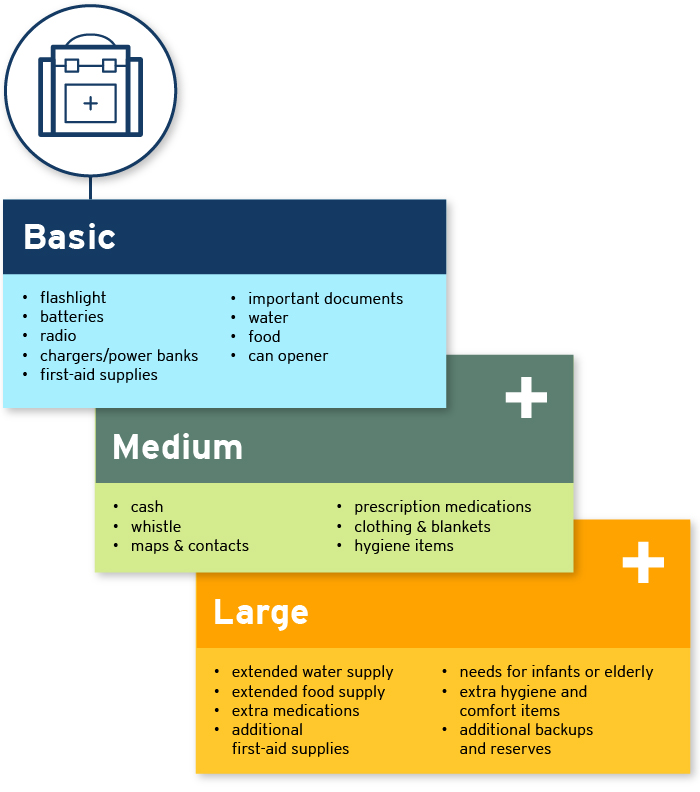
Do you need a grab-and-go bag?
A grab-and-go bag is a small emergency kit that you can take with you in case you need to leave right away. They are great to have in places like your home, vehicle or even at work.
Things to consider including in your grab-and-go bag:
|
|
It’s always a good idea to have a grab-and-go bag. But it’s especially important if you live in an area with a higher chance of being evacuated. Think areas that may be prone to wildfires, floods or tsunamis.
If you do need to evacuate, we will maintain service to your property as long as it is safe to do so. Do not turn off your gas service at the meter. We will shut off your gas as needed.
How to prepare for a power outage
Power outages can occur because of storms, floods, wildfires, motor vehicle accidents or maintenance work. Being prepared ahead of time can help minimize disruption. You can see current and future planned power outages on our electricity outage map.
Before an outage
- keep devices charged
- have battery-powered flashlights available
- plan for food storage and preparation
- install carbon monoxide alarms for extra safety when using generators, wood stoves, propane heaters and other fuel-burning appliances for backup
- stock up on sleeping bags, blankets and extra clothing for warmth
- consider backup power options if you rely on critical equipment or medical devices
- learn how to use manual releases on automated doors
During an outage
- turn off appliances and electronics to reduce the risk of damage when power returns
- keep refrigerator and freezer doors closed as much as possible
- use barbecues and camp stoves outdoors only (never in enclosed spaces like your home, garage or tent)
- check on neighbours who may need extra assistance
- don’t touch your circuit breaker or fuse panel with wet hands or while standing on a damp floor
- view our electricity outage map for real time updates
After an outage
- wait 10 to 15 minutes after power has been restored before turning everything back on
- report electrical hazards immediately to our emergency line at 1-866-436-7847 (24 hours) or 911
You may want to have a backup plan for extended outages. Backup power during longer outages helps keep your essentials—like your refrigerator or medical devices—running smoothly. What kind of backup power source you use depends on your household needs and possibly your location. If you’re considering a generator, remember to always use it safely and outdoors.
Be prepared for severe storms

Alertable is a mobile app that provides advisory and emergency alerts to your phone. It's a trusted source of information during an emergency.
Windstorms, heavy rain, snowstorms and other severe weather will not only disrupt daily life but can also damage infrastructure. On top of preparing for a power outage, here’s what you can do if you’re expecting a severe storm.
Before a storm
- monitor weather forecasts and local advisories
- secure outdoor furniture and loose items
- stock flashlights, batteries, food, water and medications
- prepare for the possibility of losing power
During a storm
- stay indoors when possible
- avoid unnecessary travel
- stay away from damaged electrical equipment and downed power lines
- follow directions from local emergency officials
Events like severe weather can cause trees to fall, resulting in significant damage to the electricity system. That can mean widespread power outages that require several steps before our crews can restore power as safely and quickly as possible. Remember to always stay at least 10 metres away from any downed power line (about the length of a school bus) because it could still be live.
Also, severe weather doesn’t always mean rain and wind that result in a power outage. It can also mean extreme heat. During an extreme heat event, make sure to check in on people who live alone and know where your community’s cooling spaces are.
How to prepare for a flood
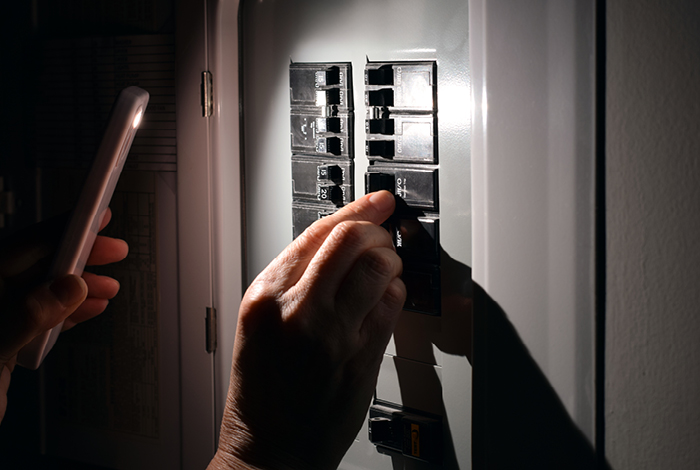
Know where your electrical panel is in your home and learn how to use it in the event you need to turn power off to your house.
Did you know we live in a rainforest? Lush, green forests and rain—plenty of it. Mix that with our coastlines and lakes and you have a uniquely B.C. experience. However, living close to a stream, river, lake or ocean can mean you’re at higher risk of experiencing a flood. Floods can be due to heavy rainfall, snowmelt or changing weather conditions.
Before a flood
- understand your flood risk
- know the location of your electrical panel and how to use it
- move electrical devices away from low-lying areas that may flood
- prepare to be without electricity or gas for an extended period
If evacuation is required
- follow evacuation orders immediately
- avoid floodwater
- do not enter areas where water and electricity could come into contact with each other
After a flood
- treat loose wires as energized
- have flood-damaged electrical systems inspected by a licensed contractor before power is restored
- follow all safety guidance before restoring your appliances
Returning home after a flood can feel overwhelming. You may not know where to start. Just like an emergency plan, consider creating a cleanup or recovery plan. Knowing how to clean after a flood can help manage mould and health risks while returning your home back to normal.
How to prepare for an earthquake
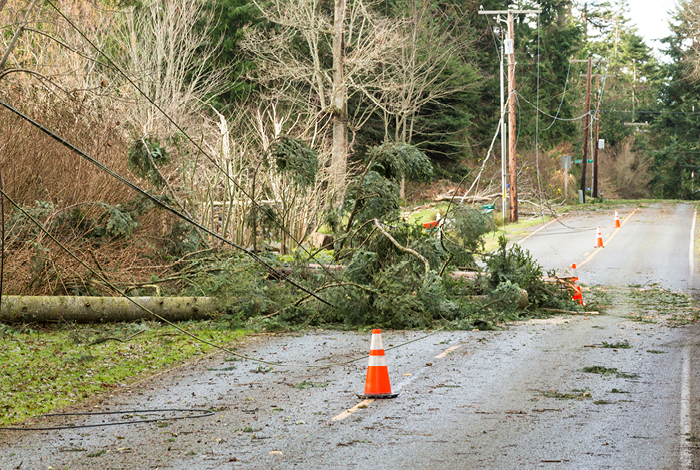
Earthquakes can cause damage to infrastructure, like trees falling on power lines. Remember to always stay at least 10 metres away from any downed power lines.
British Columbia is located close to the Cascadia Subduction Zone, which is partly responsible for our beautiful and iconic mountain ranges. It also means we live in an earthquake-prone region of Canada. Unlike many other emergencies, earthquakes can happen with little or no warning.
Prepare for an earthquake
- securely strap your hot water tank
- have other appliances anchored wherever possible with flexible metal straps
- keep a clear path to your meter
- locate and learn about your electricity breaker panel
- know how to use the gas shut-off valves on each appliance (not at your meter)
After an earthquake
- check for hazards before re-entering damaged areas
- follow instructions from emergency officials
- stay at least 10 metres away from any downed power lines
- if you smell rotten eggs or hear the hissing sound of escaping gas, call 1-800-663-9911 (24 hours) or dial 9-1-1
If you live near the coast and feel an earthquake, you should also take the risk of a tsunami into consideration. Depending on the location of the earthquake, a tsunami could reach shore anywhere from hours to just minutes.
How to stay informed during an emergency
This is where you will put some of your emergency kit items to use. It’s important to get your information from credible sources during any emergency, as it helps you make good decisions if the situation quickly changes.
During any emergency:
- follow directions from local authorities and emergency officials
- monitor trusted sources for updates (EmergencyInfoBC is a good place to start)
- check electricity outage information
- review emergency preparedness resources
- have multiple ways to receive emergency notifications (TV, social media, hand-crank radio, online)
The most important thing to do during an emergency is to try to stay calm. Getting your information from trusted sources can help you make the best decision in the moment.
Small steps today can make a big difference tomorrow
Taking time to prepare now can help protect your household, reduce stress and improve your ability to respond when an emergency happens. You can create an emergency plan over dinner when everyone is at the dining table. Or start building your emergency kit as a weekend project. Getting prepared can start with small things. Being prepared will help you feel ready for any situation. So, you can enjoy the best of what B.C. has to offer.
Related stories