Here’s how to find a reliable landscaper that puts safety first
June 30, 2026
Our tips could help you choose a landscaper who has the right credentials and knows how to work safely. Remember, before any landscaping project begins, you or your landscaper must click BC 1 Call or call 1-800-474-6886 to find out where gas lines and other underground utilities are buried on your property.
Key takeaways
- Get multiple quotes. We recommend getting estimates from three or more different companies.
- Check for credentials and licences. A reputable landscaper will have the proper insurance, business licence, WorkSafeBC registration and other certification.
- BC 1 Call must be contacted before any digging begins.
How to start looking for a landscaper
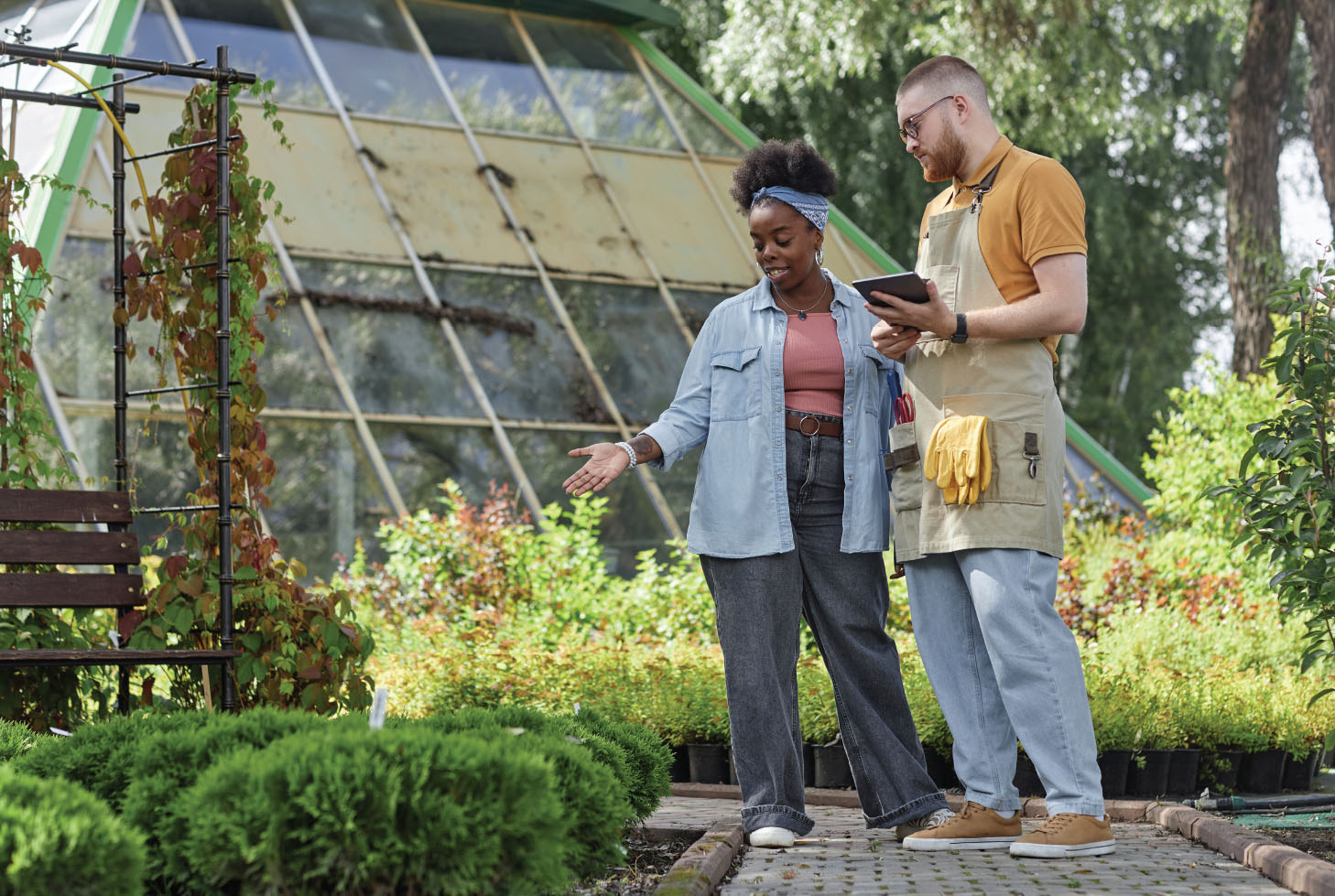
Finding the right landscaper can begin with a quick internet search, but you should also ask your neighbours and friends for recommendations.
Start a list of landscapers that:
- operate in your area
- offer any specific services you need (maintenance, design, installation, irrigation, etc.)
- have completed projects similar to what you’re looking for
When in doubt, ask the experts. The BC Landscape & Nursery Association (BCLNA) is a great resource that can connect you to one of their members.
Jeff Foley, advisor and former president of the BCLNA, says, “most of our work comes from word-of-mouth recommendations. If you’re looking for a landscaper and don’t have a solid recommendation from someone, it’s important to do your research.”
What credentials should you look for?
There are association memberships and certifications that may help demonstrate a landscaper’s professionalism, such as:
- Landscape Horticulture Certification. Administered by the Canadian Nursery Landscape Association, this program tests landscape professionals with written and practical exams on the latest standards and best practices.
- Landscape Horticulture Apprenticeship. Landscape Horticulture has been designated as a Red Seal Trade, which is a nationally-recognized program.
- BCLNA membership. The BCLNA is a recognized provincial trade association, and members sign a strict code of ethics.
“Landscaping is a Red Seal trade, and our industry also has other certification programs that can ensure the team working on your project are qualified," Jeff says. “Some examples are Certified Landscape Horticulture Technician, ISA Certified Arborist and Certified Irrigation Technician. Ask what kind of training and accreditation the staff that will be working on your project have.”
How many quotes should you get?
We recommend getting three or more quotes before deciding which landscaper to work with. Don’t necessarily go with the first person you talk to. By getting multiple written quotes, you can compare:
- the materials each landscaper will supply
- the labour they’ll provide
- the cost of subcontractors and tradespersons (if they’re required)
- their estimated project completion date
To make sure you’re both on the same page, you may also want to ask the landscaper to provide the following:
- examples of similar projects
- any ongoing maintenance needed
- seasonal considerations and plant care
Getting transparent, written quotes could help avoid hidden costs. Remember, the lowest price may not always be the best fit for you.
What to look for in a landscaper

A qualified landscaper should be able to show you that they have the following:
- Liability insurance. Ensure your landscaper carries this (ask to see a copy) to help protect you in case they damage your property.
- WorkSafeBC clearance letter. Ensure the landscaper you’re hiring is registered, and in good standing, with WorkSafeBC. Ask them for their WorkSafeBC clearance letter that will tell you their current standing.
- Business license. Make sure the landscaper has a valid business licence. If unsure, contact the business license office where the landscaper’s company is based.
- Local government permits. Depending on the scope of your project, you may need a permit. Check to see if the project requires a permit by contacting your city’s permit office.
- Better Business Bureau (BBB). Check to see if your contractor is accredited with the BBB. Even if they’re not, you can still find out if there’s been any complaints lodged against them via the BBB.
- Property line maps. Know where your property begins and ends to ensure you don’t dig beyond your property lines.
- Right of way knowledge. A right of way is a designated strip of land where one or more utility lines are located, and it can cross private, public or Indigenous land. If working near a right of way, you or your landscaper may need written permission or a permit from the government or utility that owns the right of way.
- Awareness of BC 1 Call. Keep in mind that if the landscaper damages an underground gas or other utility line when digging, you could be liable for repair costs. You or your landscaper must contact BC 1 Call at least three business days before work starts to get a free map of FortisBC’s underground utilities on your property. Click bc1c.ca or call 1-800-474-6886.
“The Canadian Nursery Landscape Association has an Accredited Company Program that audits companies to ensure they meet all of this criteria,” Jeff says. “This will help you select companies that are pre-screened to meet professional standards.”
Going above and beyond
Ideally, your landscaper won’t just meet the minimum safety requirements. They’ll go above and beyond to do the work as safely as possible.
“Landscaping work can be dangerous,” Jeff says. “WorkSafeBC’s Certificate of Recognition (COR) status recognizes employers who go beyond the current legal requirements, apply an effective occupational health and safety management system, and pass a certification audit to the standards set out by WorkSafe BC.”
The bottom line: Do your research and don’t hesitate to ask questions. Clear communication early on can help the project run smoothly and prevent issues before it’s too late.
Landscaping safety tips
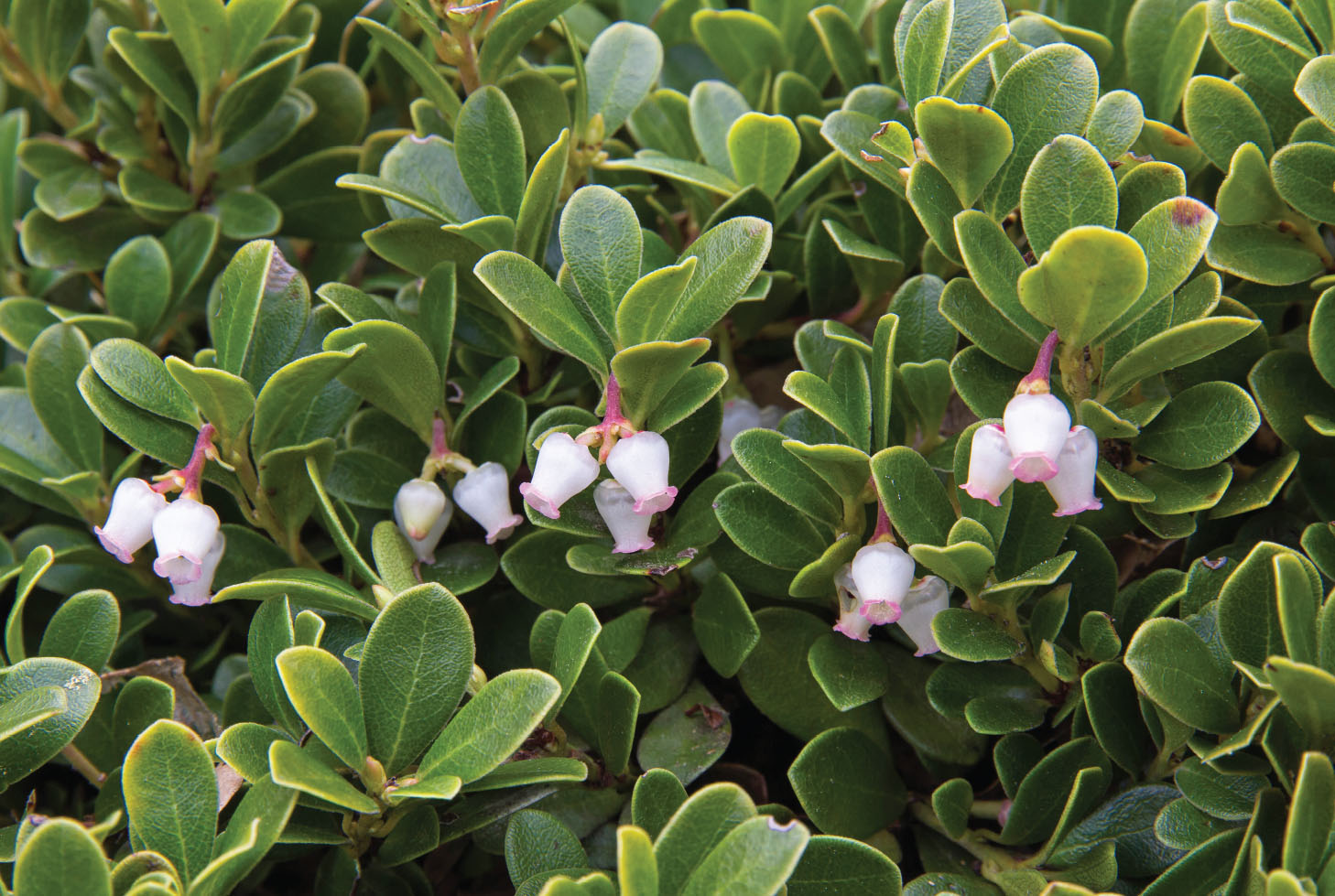
Kinnikinnick is a native species ground-trailing shrub with pink flowers and red berries appropriate for low-zones.
Outside of the paperwork and pricing, there are safety considerations when choosing your plants. Picture how big the plant and its roots will be when fully grown. This could help avoid future damage to utility lines. We have more expert tips for safe planting to help you choose the right tree for the right place.
How deep are utility lines buried?
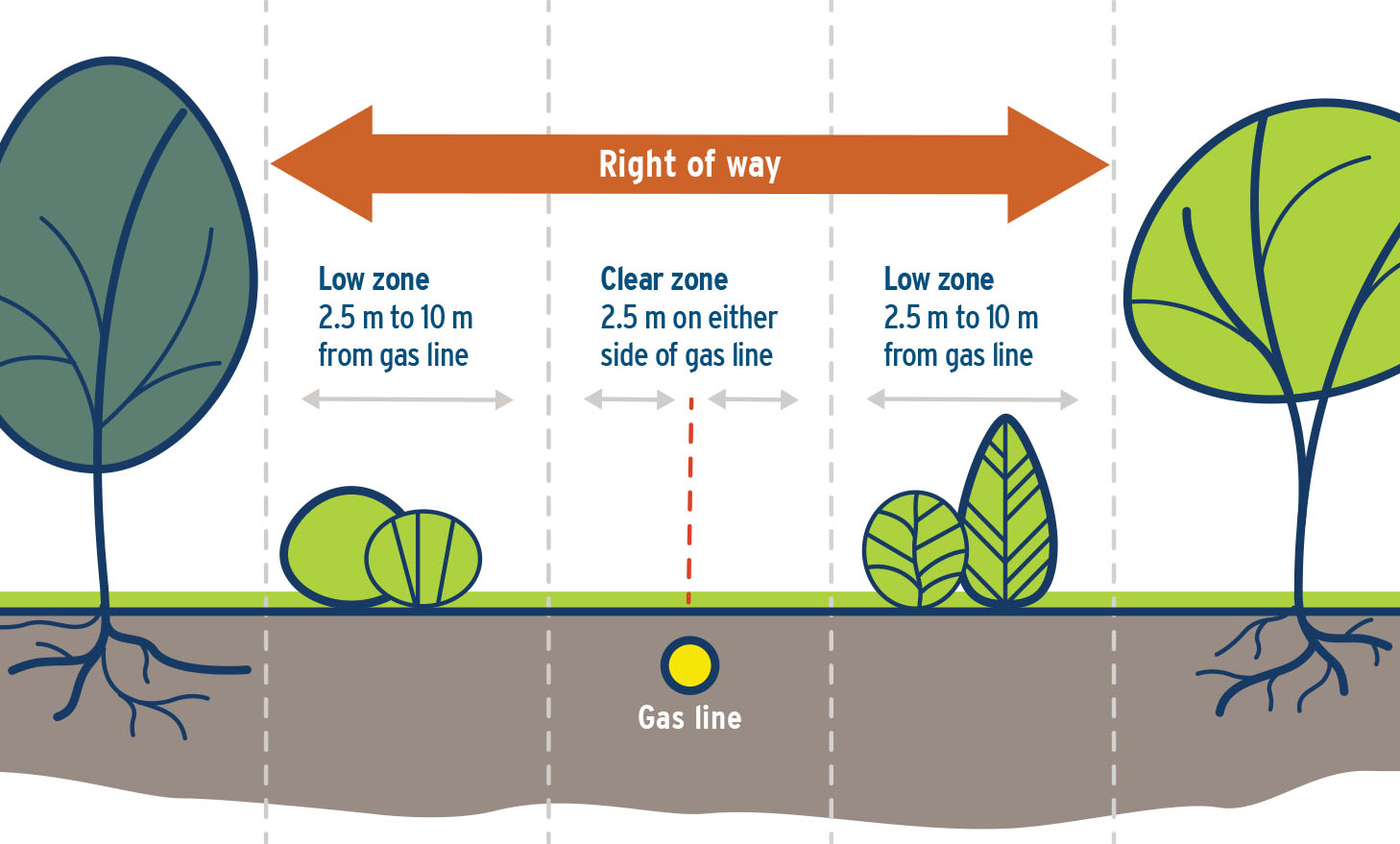
While gas lines are installed to regulated depths, factors like landscaping, grading and erosion can change how close they are to the surface over time. Many of these lines have been buried for decades, so it’s not uncommon for utility lines to be less than 12 inches from the surface due to these factors. Just another reason to always click or call BC 1 Call before starting any project in your yard.
What to do if you or your landscaper hit a gas line or smell gas
- Stop what you’re doing immediately.
- Shut off any power tools or machinery.
- Call the FortisBC Emergency Line at 1-800-663-9911 (24 hours) or 911.
Related stories