How to prepare for outages year-round with a backup power plan
July 23, 2026

Don’t wait until your power is out to start thinking about whether you need a backup plan. Outages can happen suddenly and for many reasons including storms, wildfire prevention or motor vehicle accidents. Having a plan in place for your household gives you peace of mind—keeping your home running, food fresh and helping you stay connected when it matters most.
What this means for you:
- Having a backup plan can reduce stress and minimize disruptions if an outage were to happen.
- There are several types of backup power options available depending on your needs.
- When it comes to powering essential appliances for longer periods, generators can be a practical and reliable option.
- It’s important to use generators safely and always operate them outdoors.
Why consider backup power during an outage?
Having backup power is one option that may reduce stress and minimize disruptions if an outage were to happen. Outages can affect your ability to cook, store food, access information and stay comfortable in your home. For some households, electricity is also critical for medical equipment or water systems, making backup power even more essential for overall wellbeing and safety.
Considering how you use electricity and which devices or appliances you’d want to keep running during an outage can help you determine whether backup power is right for you and your household.
What kinds of backup power options are there?
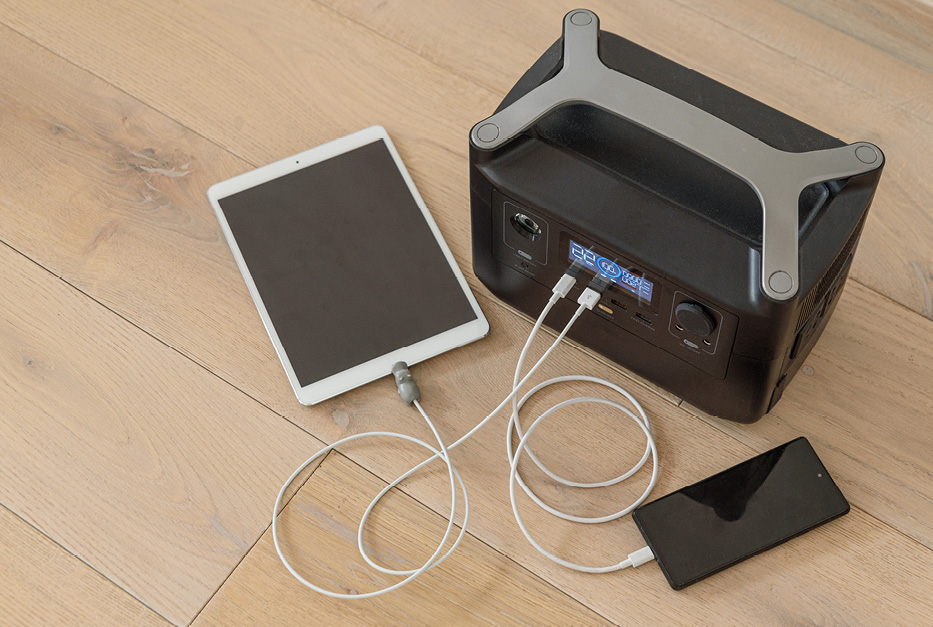
There are several backup power options available, ranging from small, portable solutions to systems that can power larger parts of your home for extended periods of time. The right option for you depends on what you want to keep running and for how long. Some backup power options include:
- portable power stations
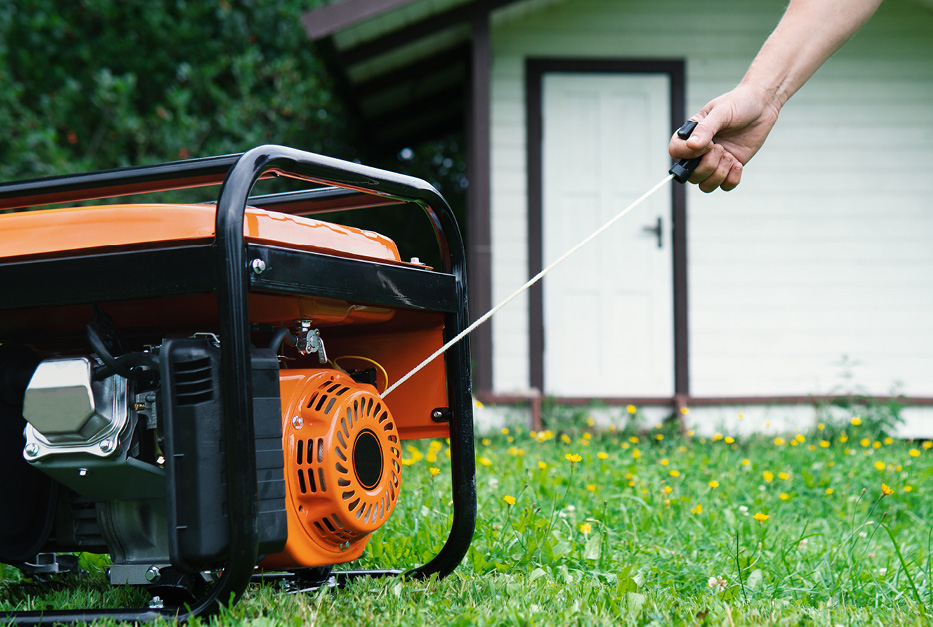
- portable generators
- standby generators
- home battery backup systems
Each option offers different levels of portability and power duration.
What should you know before choosing a backup power source?
Before choosing a backup power source, it’s important to understand your household’s specific needs and do some research to determine what type of system would be best. As a starting point, consider things like:
- what you’d like to have powered to keep your household running smoothly during an outage
- how long you might need backup power during an outage
- whether any essential equipment, such as medical devices, has specific power supply requirements or manufacturer recommendations for backup power use
- how often you might use the backup power source
- how easy you’d like the setup, use and maintenance of your power source to be
Different types of backup power solutions are meant to meet different needs. For example, battery-powered options, like portable power stations or home battery backup systems, store electricity for later use and can help keep essentials running during an outage.
Generators, on the other hand, typically produce electricity using fuel, although there are battery-powered options as well. Portable generators are normally used for temporary backup power while standby generators automatically power parts or all of a home when the electricity goes out.
When should you consider a generator?
You may want to consider a generator if you need backup power during longer outages or want to keep essential appliances and systems running, such as refrigerators, heating equipment or medical devices. Generators are often used when higher power output or longer runtimes are needed that other backup systems can’t typically provide.
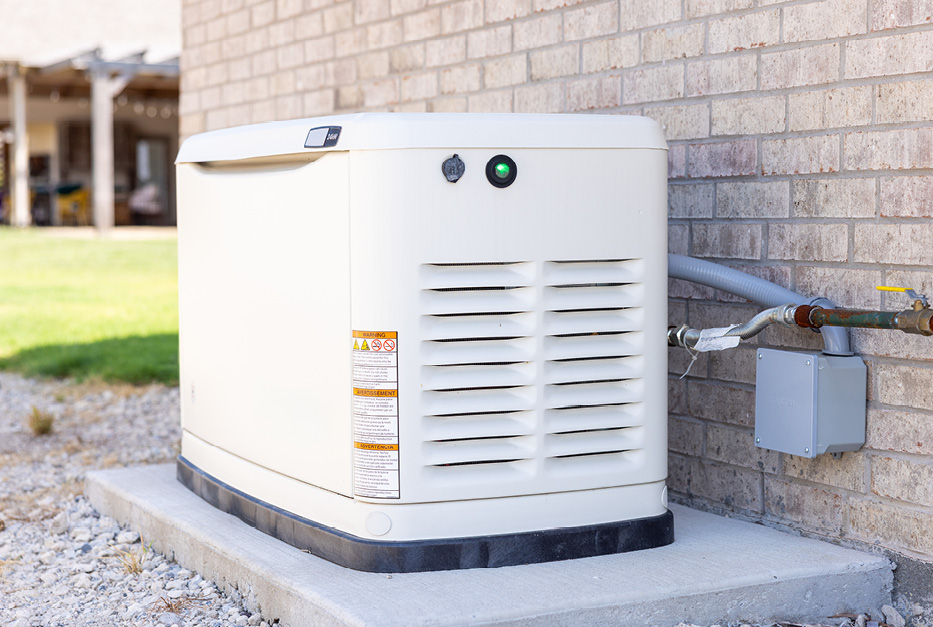
Portable generators are a lower-cost option for occasional use and must be set up and started manually during an outage, whereas standby generators are permanently installed outside the home and automatically provide backup power when the electricity goes out.
If you’re looking for a flexible backup option for temporary or occasional outages, a portable generator may suit your needs. If you want a more convenient solution that can help keep your home running with minimal interruption during an outage, a standby generator may be a better fit.
How do you safely operate a generator at home?
You can safely operate a generator at home by following a few key safety practices, starting with where and how you set it up. Using a generator incorrectly can pose serious risks, so it’s important to understand the basics before you begin to use one. Here are a few tips from the Electrical Safety Authority:
- Start by making sure the generator has all the necessary safety labels.
- Make sure the generator you purchase is rated for the power that you think you’ll need.
- Find a qualified electrician to install the generator in a safe location.
Taking these steps can help ensure your generator works safely and effectively when you need it most.
Can you use a generator for cooking during an outage?
A generator can be used to power certain cooking appliances during an outage, but it’s important to do so safely. If you plan to use a generator to power cooking equipment, always make sure you’re operating the equipment as intended and never using outdoor cooking appliances indoors as it can cause carbon monoxide to build up.
What are the potential hazards when using a generator?
While generators can provide backup power during an outage, it’s important to keep them in good working condition and follow manufacturer’s safety instructions, because any fuel that doesn’t burn completely, including wood, propane and gasoline can create carbon monoxide—which can be dangerous in enclosed spaces.
Annual appliance maintenance, which ensures fuel is burning completely and exhaust vents are intact and unobstructed, is a key element of safe operation.1 If you have questions about the installation or maintenance of a generator, find a licensed contractor to learn more.
Carbon monoxide poisoning
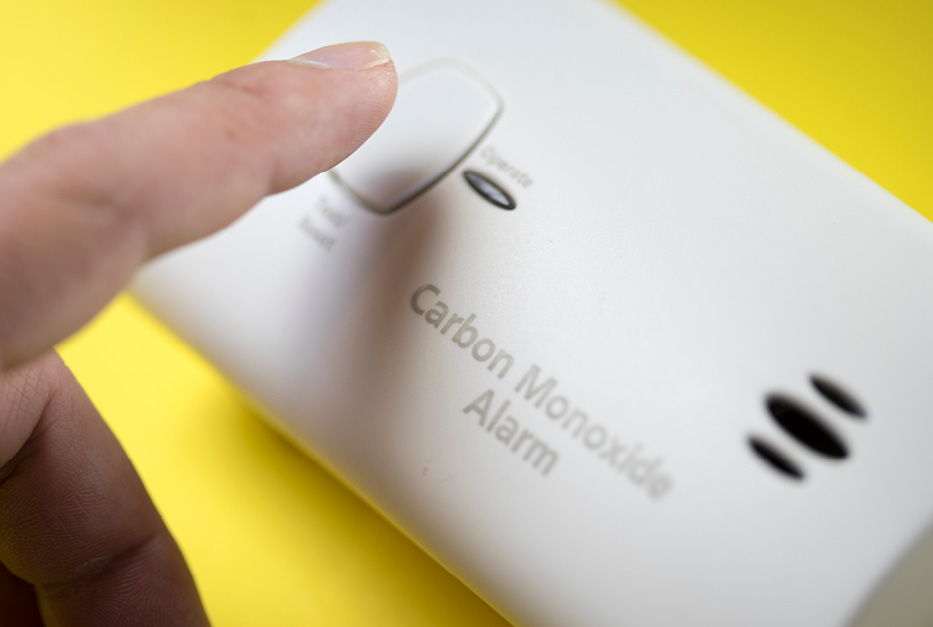
Always operate your generator outdoors in a well-ventilated area. As an extra precaution, be sure to have carbon monoxide detectors working throughout your home and check their batteries frequently.
At low levels, carbon monoxide exposure effects include flu-like symptoms such as:
- tiredness
- headaches
- shortness of breath
- impaired motor functions
At increased levels, or if you are exposed to low levels of carbon monoxide for longer periods of time, you can experience symptoms such as:
- dizziness
- chest pains
- poor vision
- difficulty thinking
At very high levels, carbon monoxide exposure can cause convulsions, lack of consciousness, coma and even death. If your alarm indicates high carbon monoxide levels in your home or you suspect carbon monoxide exposure:
- turn off your appliances
- get all people and pets out of the building and don’t go back inside until it’s safe
- call 911 or FortisBC’s emergency line at 1-800-663-9911 (24 hours)
- seek medical attention to treat any symptoms
We take carbon monoxide calls seriously and will investigate all potential carbon monoxide problems. If there is a source of carbon monoxide exposure, a FortisBC technician will clear and vent the area, and when it’s safe, they’ll allow you back inside.
Electrocution
Generators can produce electricity that can cause harm if they aren't installed, maintained or operated correctly. Before using one, make sure the unit is properly grounded and follow the instructions and electrical codes carefully.
Be sure to always operate the generator in a dry place and make sure your hands are dry as well to avoid electrocution. Make sure to protect the generator from rain and cover it with a canopy if necessary.
Fire Hazard
Generators can become extremely hot during operation. Let the generator cool down and turn it off before refueling. Store your fuel outside in approved containers and don’t store any fuel near a fuel-burning appliance or the generator itself.
For more information, check out this page on generator safety by the Canadian Red Cross.
What steps can you take before the next outage?
Start with understanding what your household may need during an outage and choose a backup power solution that fits those needs. Whether you’re considering a portable power station, generator or home battery backup system, having a plan in place can help reduce stress, disruptions and provide greater peace of mind during an outage.
It’s also important to understand how to operate backup power equipment safely. Taking time to prepare before an outage happens can help keep your household safer, more comfortable and better connected when the power goes out.
Looking for more preparedness tips? Visit our power outage preparedness page for tips on creating a power outage plan and the steps you can take before, during and after a power outage.
Related stories