How advanced gas meters help maintain safety and security
May 25, 2026
We’re highlighting our commitment to safety and security as we exchange existing gas meters with advanced gas meters. The new meters are designed for accuracy, safety and integrity, supported by technology designed to keep usage data secure as a part of a thoughtful approach to serving customers.
Key takeaways
- Advanced gas meters are tested and meet Canadian and international standards.
- The meters are designed to be accurate, safe and weather-resistant.
- We keep customer usage data secure at multiple points from transmission to storage.
How are advanced gas meters tested for safety?
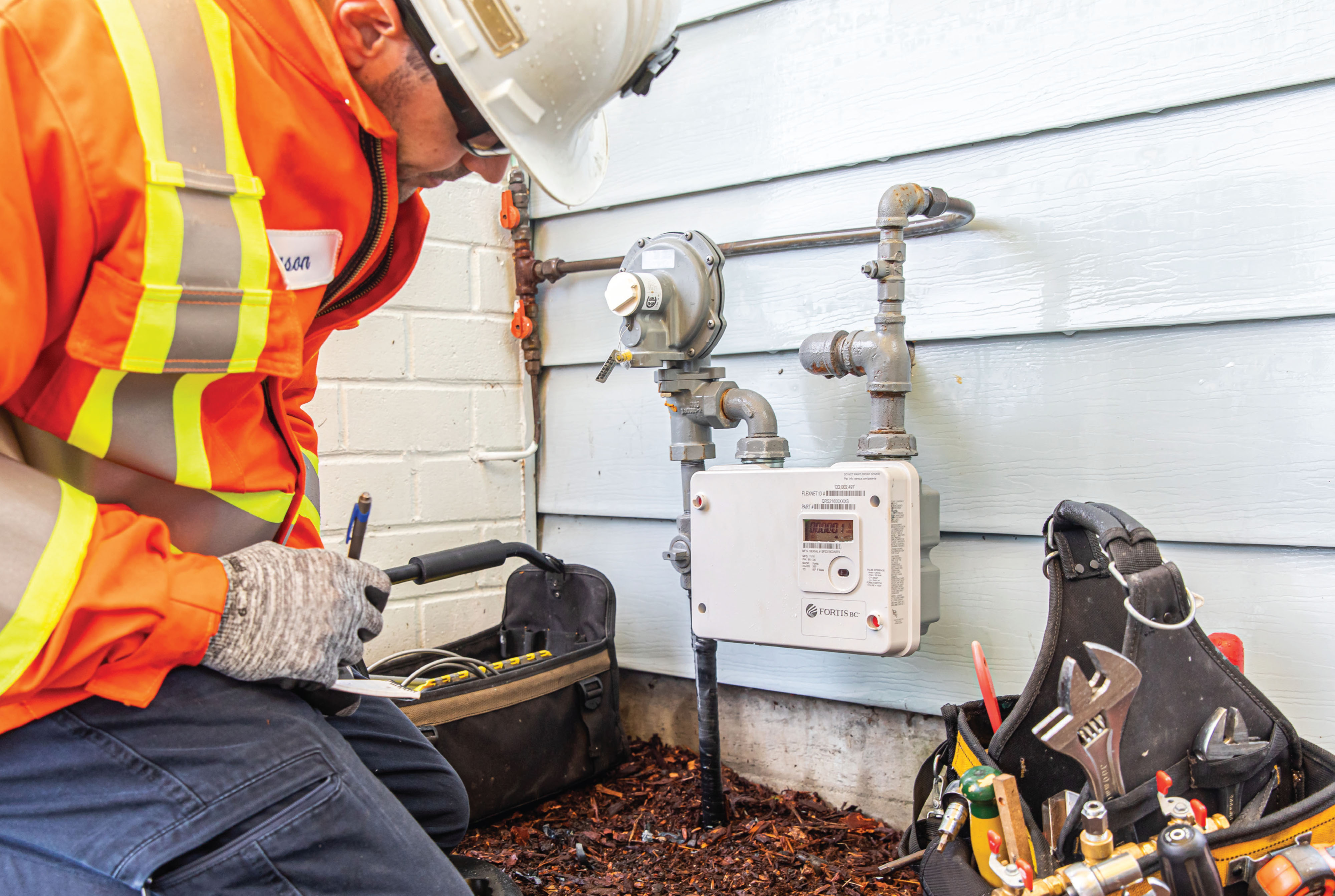
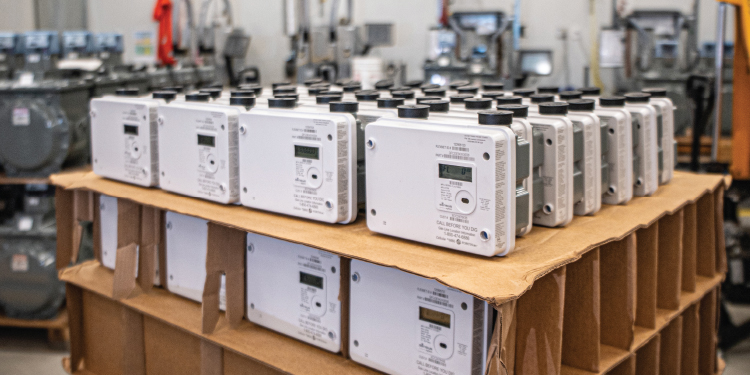
Advanced gas meters meet Measurement Canada1 standards, ensuring strict accuracy on gas use readings and other essential factors. Because they transmit usage data wirelessly, advanced gas meters also meet the radio frequency safety standards set by Health Canada’s Safety Code 62 guidelines.
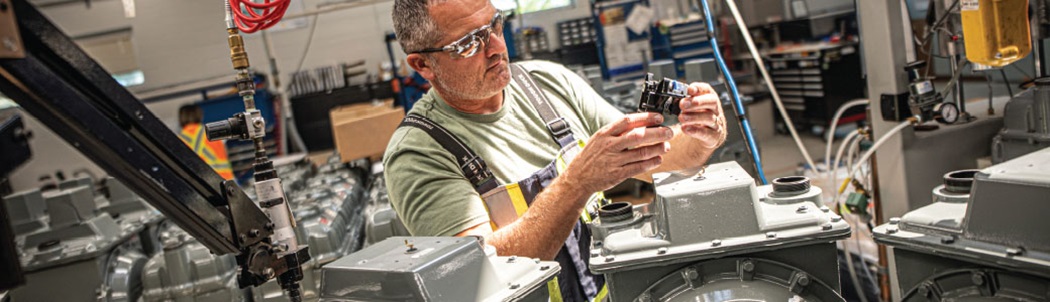
Advanced gas meters undergo rigorous testing by third parties at recognized facilities3 to ensure accuracy, safety and integrity. Accuracy means making sure the meter precisely measures the flow of gas to determine how much gas is used at a property. The meter is designed to be physically secure to keep its internal parts like fuses and circuitry safe, and to make the meter resistant to all weather conditions in B.C. throughout the year.
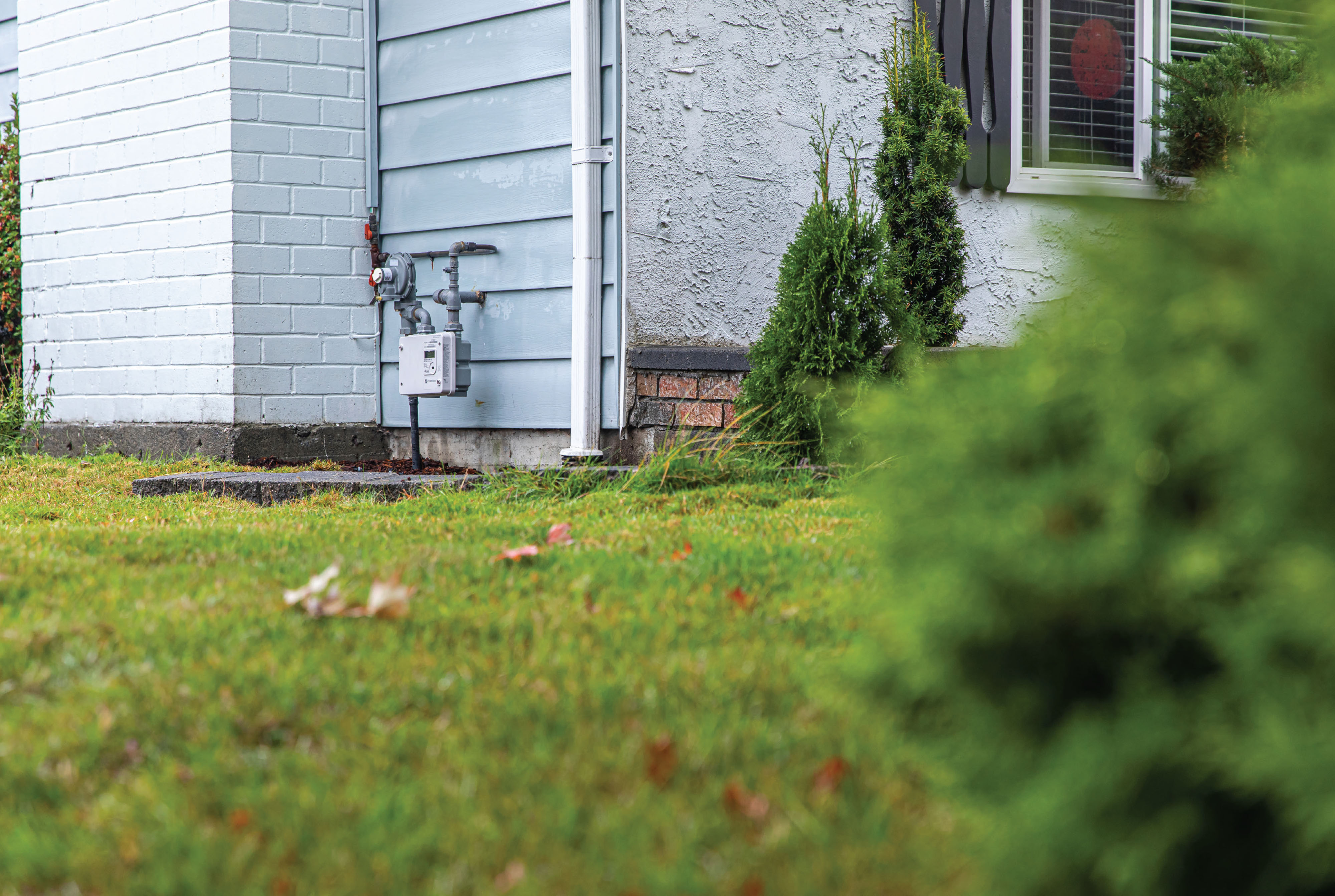
Advanced gas meters are designed to resist stress and support a long service life. Here’s an outline of the rigorous standards advanced gas meters meet.
- Measurement Canada approval—advanced gas meters are approved for use by Measurement Canada after they’ve passed required federal testing for accuracy, durability and performance under expected operating conditions.
- Canadian Standards Association (CSA) Safety Certification—each meter carries a CSA safety stamp on its casing. That indicates the meter has passed independent safety testing for gas metering equipment. This includes checks on pressure containment, leak‑tightness, temperature extremes, and safe operation of the electronics (battery and circuitry) as well as protection from sources of electromagnetic interference.
- American National Standards Institute (ANSI) approval—the meters meet applicable industry standards supporting safety expectations in gas utility environments.
How do advanced gas meters keep customer data secure?

Advanced gas meters are designed to collect, encrypt and transmit customer usage data securely across our private network instead of requiring a visit to a property to read the meter manually. In our digital age, safety and security go hand in hand when it comes to data collection—something we take very seriously.
Gas usage data is the only customer data we collect via the meter and data encryption happens at several points in the process. Project director Joel Lindsay touches on how data encryption and security are essential to the way we collect and store gas usage data.
“All gas usage data is sent over a private license radio channel using proprietary technology,” Joel says. “Data security is enhanced with multiple layers of encryption.”
Joel makes it clear that the data the meter collects and sends is not accessible to the public.
This information isn’t available to the public at any point and details like names, addresses and other personal information are not a part of what’s transmitted from the meter. We store gas usage data for a limited time in a private digital cloud—in Canada. All the necessary measures are in place to keep the data secure on that level, too. The meter itself is physically secure by its design. So, data security is a result of multiple design features.
Joel Lindsay, project director, AMI
Serving our customers safely and securely
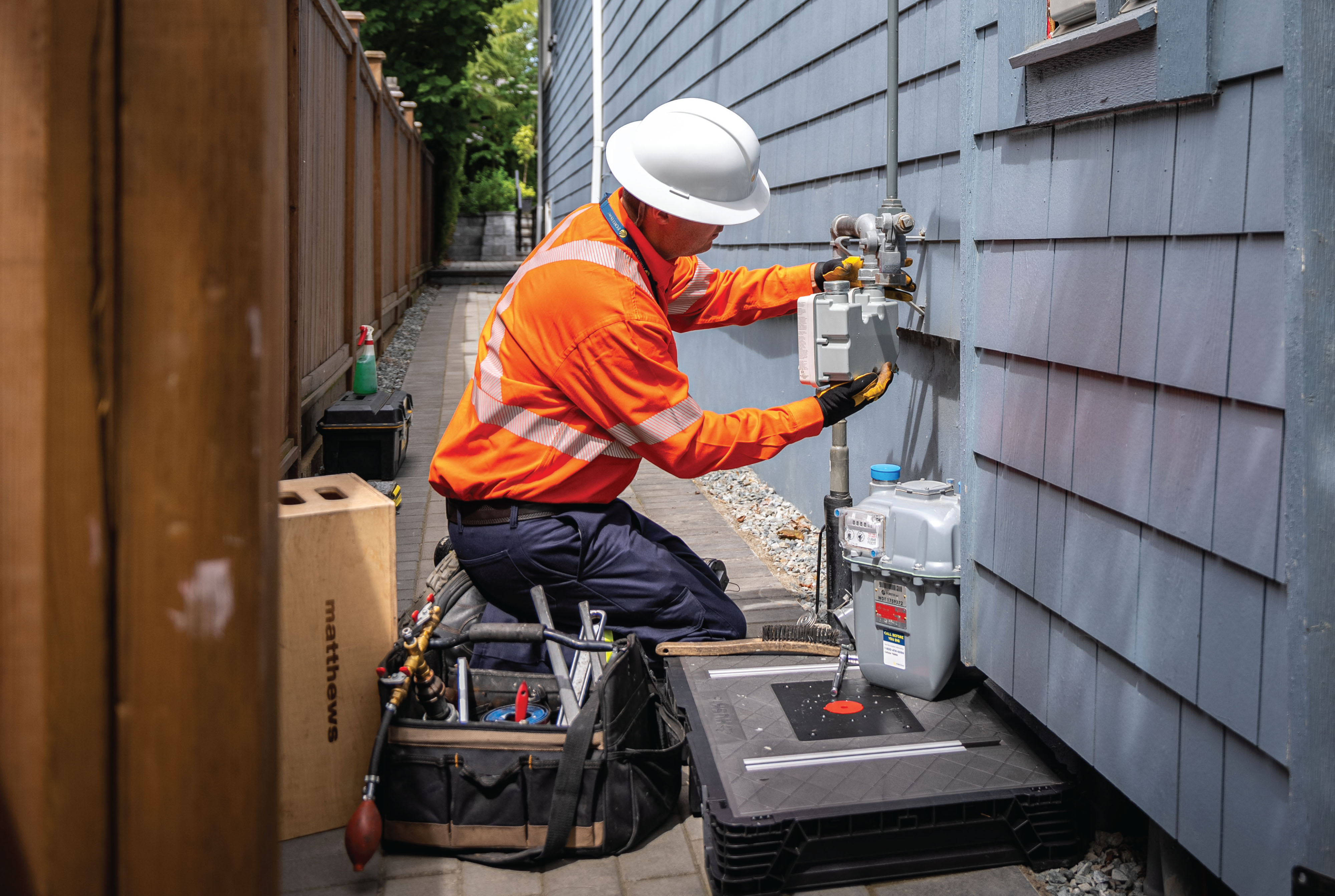
Advanced gas meters are an essential part of our efforts to modernize our gas infrastructure. They help us deliver services more efficiently and enhance our customers’ experiences. Safety and security are a big part of that and will continue to be in the future.
To learn more about the safety and security aspects of our project, visit our project safety, security and privacy page.
1Measurement Canada electricity and gas meters—canada.ca
2Understanding safety code 6: Health Canada’s radio frequency exposure guidelines—canada.ca
3Specifications for the approval of type of gas metering devices—canada.ca
Related stories