Year-round wildfire mitigation work at FortisBC—through the eyes of two employees
June 9, 2026
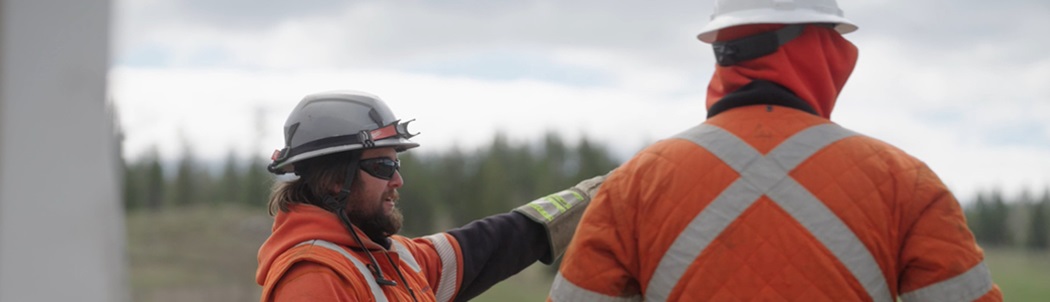
As summer arrives in B.C. and temperatures start to climb, wildfire season comes back into public focus. It’s around this time that conversations around preparation, risk and response become more common. It can give the impression that wildfire prevention work starts when the weather changes. But in reality, a lot of that work happens year-round.
Wildfire mitigation doesn’t start with wildfire season
Wildfire mitigation is part of everyday operations. Long before wildfire season begins, our teams are already focused on taking steps to help lower the risk of wildfire and strengthening safety across our system. Some of the work we do year-round includes:
- strengthening infrastructure
- managing vegetation and clearing hazardous trees
- training crews on how to respond to emergencies before fire activity increases
- monitoring wildfire risk and adapting how the system runs
- working alongside fire authorities when wildfires occur
- having a Public Safety Power Shutoff (PSPS) plan in place for areas at the highest risk of wildfires
This year‑round approach spans from long‑term system planning to day‑to‑day work in the field. That connection came through clearly during a recent conversation with two employees whose roles reflect different but connected parts of this work: Carrie Grant, regional manager of network services, and Dustin Thompson, a crew leader working directly in the field.
When planning ahead becomes personal
In her role, Carrie oversees the safe operation of the electrical system across the region. Her work involves coordinating the teams responsible for inspections, maintenance and system upgrades, while also considering long‑term risks. It’s a critical leadership role that requires balancing planning ahead with real‑time decision‑making.
For Carrie, this responsibility became especially personal during the 2023 Kelowna wildfires. Like many residents, she was evacuated from her home as fire burned the hillside behind her neighbourhood.
“We knew that high winds were coming, but I don’t think we were expecting what was going to happen that night and how quickly it was going to take over communities,” shares Carrie. “I remember spending the evening checking our doorbell cam[era] to see if our house was still there. It caused a lot of anxiety.”
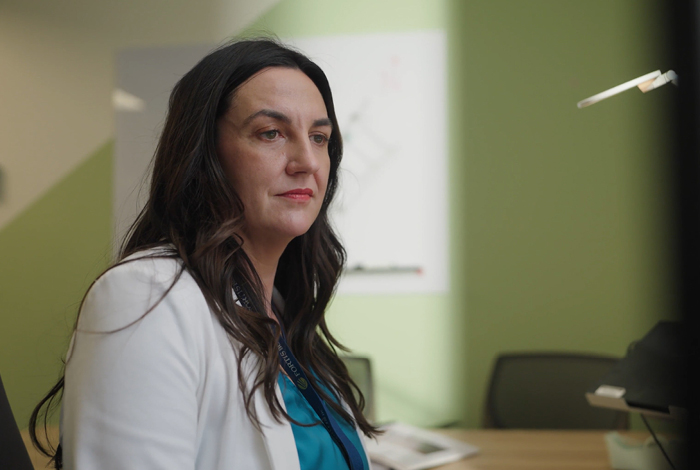
Carrie Grant, regional manager of network services
Even in those moments of uncertainty, Carrie remained connected to her work, supporting the teams focused on keeping the system operating safely during an active wildfire event. As both a leader within the company and a member of the community she serves, Carrie experienced firsthand how quickly wildfire risk can escalate and how deeply it affects the people living and working in these regions.
Experiences like hers highlight why wildfire prevention and safety work can’t be seasonal. The planning, preparation and system improvements that happen throughout the year are what make it possible to respond effectively when conditions shift—sometimes with little warning, and often close to home. This responsibility is carried by employees across the organization, including those working directly in the field. Reflecting on this work, Carrie adds:
It’s impactful to see what our employees will do to make sure that these communities have power all year-round. It’s pretty special and I wish other people would see that.
Carrie Grant, regional manager of network services
Learning the importance of preparedness early
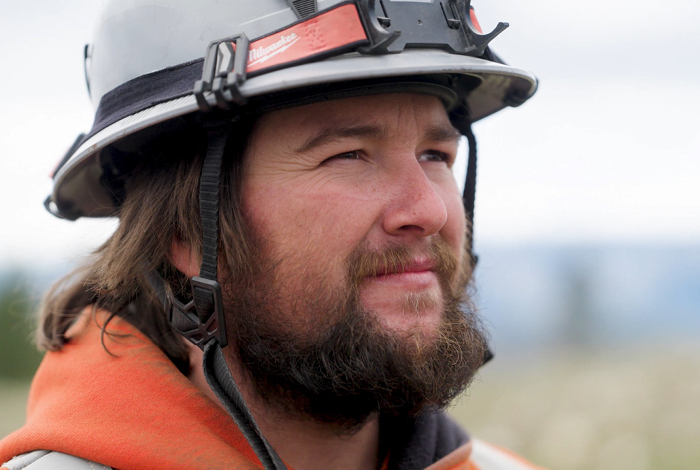
Dustin Thompson, crew leader, South Okanagan
As a crew leader in the South Okanagan, Dustin’s days are centered on preparation. He works with his crew to plan maintenance and system upgrade work, review safety requirements and coordinate materials to help crews work as safely and efficiently as possible. His role sits where long‑term planning becomes day‑to‑day action.
Dustin’s perspective on wildfire mitigation was shaped early in his career. When he was a first‑year apprentice with FortisBC in 2015, multiple wildfires—including the Rock Creek and Oliver mountain fires—affected his home region. Seeing how those events unfolded and the level of coordination required to safely maintain, or in other cases, restore service, fueled his drive to make an impact in his community.
When I started at FortisBC back in 2015, there was a major wildfire in Rock Creek. It was absolute devastation. We saw lots of houses being burnt to the ground, our powerline infrastructure being burnt to the ground. The situation was truly horrific… But it was also really cool to see the amount of community spirit and everybody coming together, local fire crews, police. It was truly incredible to be a part of that.
Dustin Thompson, crew leader, South Okanagan
While a lot of wildfire mitigation work happens outside of the public eye, it helps lower wildfire risk. For Dustin, his early experiences are a reminder that preparedness isn’t about how you react to a single event. It’s about consistent effort carried out day after day, even when times get tough.
A shared, year‑round responsibility
Together, Carrie’s and Dustin’s roles reflect just two perspectives within a much broader approach to wildfire mitigation at FortisBC—one that spans across the company and the region. From planning, field work and system monitoring, to emergency management and community engagement, each play a role in how wildfire risk is managed throughout the year.
FortisBC also works with Indigenous communities, local governments and emergency management organizations to identify critical infrastructure and align on preparedness and response planning. This collaboration helps ensure decisions are informed by local context and community priorities.
A recent video filmed with Carrie and Dustin offers a brief look at this broader approach through their own lived experiences. It highlights how wildfire mitigation depends on steady, ongoing work by people who live and work in the same communities they serve—people who plan, prepare and continue to show up, even when wildfire risk affects them personally.
Watch the full video to hear directly from Carrie and Dustin and learn more about FortisBC’s year-round approach to wildfire safety.
Related stories