How to help avoid climbing energy bills and keep cool during a heat wave
July 1, 2023

Updated: June 25, 2026
Keeping cool and comfortable is a priority during a heat wave. So is thinking about ways to save on your energy bills when your cooling system has to work harder to keep temperatures down. To help you prepare for periods of extreme heat, here are some tips for staying cool while using less energy.
Key takeaways
- Use your cooling system with fans and other methods to use less energy.
- Prioritize your health and safety—stay hydrated, limit strenuous activities, etc.
- Close blinds to reduce direct sunlight in a space between 10 a.m. and 8 p.m.
- Be aware of how you use energy at your property all year long.
What can you do now to prepare for a heat wave?
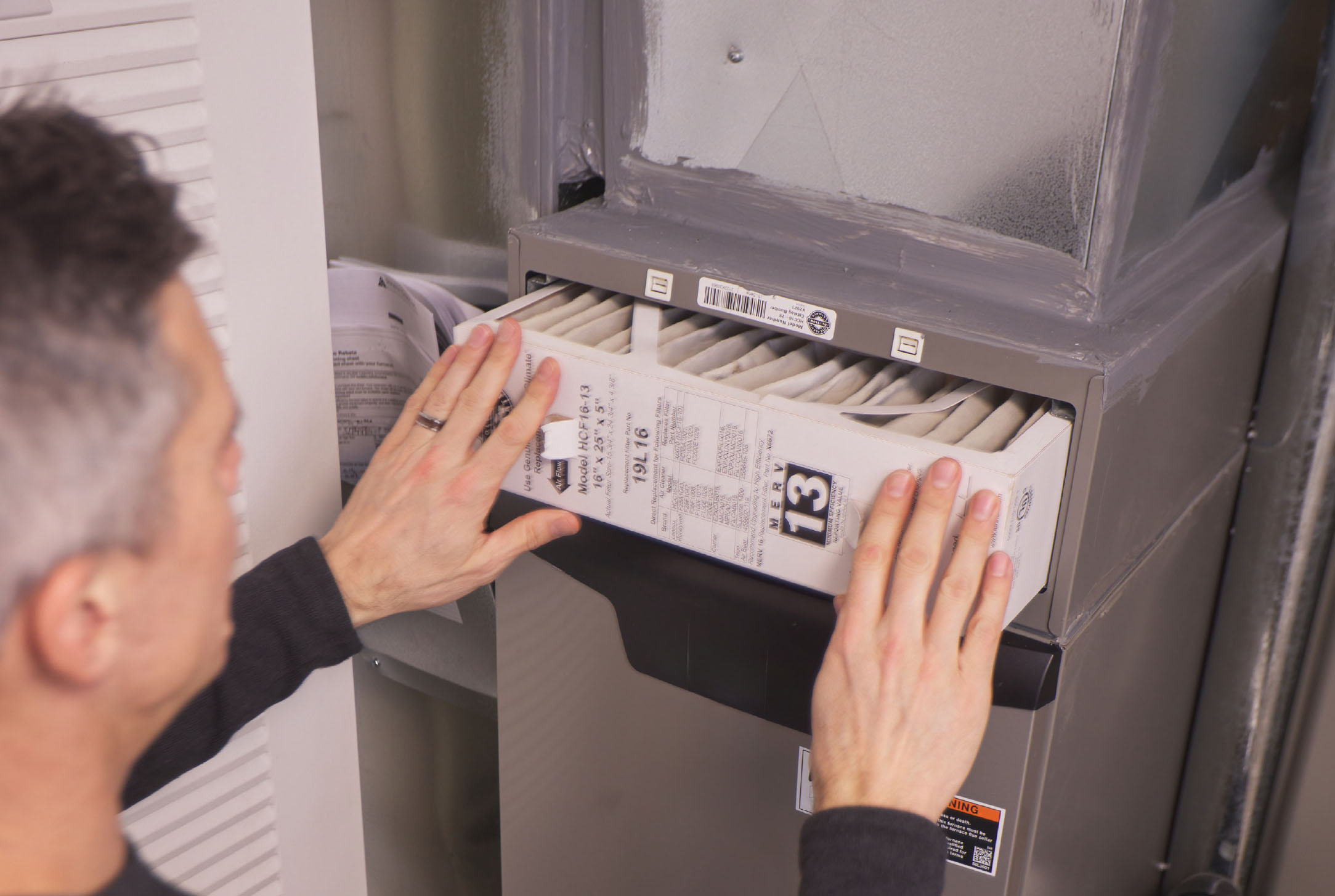
Keeping your home cool during a heat wave can put a lot of strain on your cooling equipment. Here are some steps you can take ahead of time to help them run efficiently.
- Keep your cooling and ventilation systems clean by checking filters, coils and ductwork. Check your owner’s manual for detailed instructions.
- Add awnings or solar shades to your windows to keep out direct sunlight.
- Reduce humidity by minimizing moisture in your home.1
How do you keep cool while reducing energy use during a heat wave?
While space heating accounts for the majority of the average Canadian home’s energy use during colder months, energy used for keeping spaces cool in warmer seasons has increased over the past 10 years.2
There are things you can do to keep cooler and still reduce the energy it takes to run cooling systems during a heat wave. This is true whether you’re using a heat pump or a central, portable or window unit air conditioner.
Here’s a selected list2 of ways to keep cool and reduce energy usage.
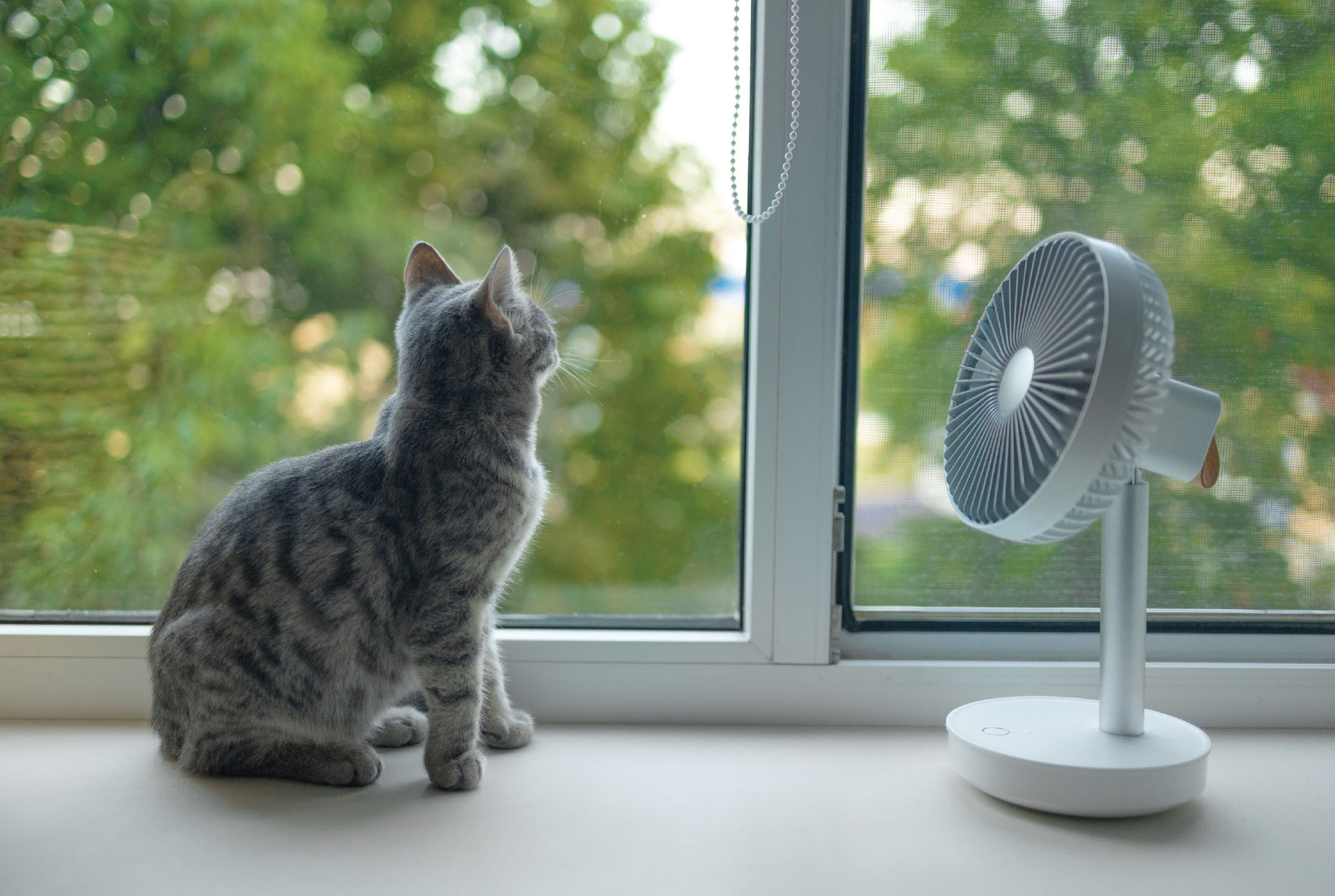
- Combine cooling systems with fans to maximize their cooling power and reduce the energy you use. Do not use a fan alone if the temperature in your home is 35°C or higher.
- Set your cooling system’s thermostat two degrees higher than usual and use ceiling fans to circulate the cool air. This can reduce your air conditioning costs by 14 per cent.
- Aim to be comfortable, not chilly. The recommended temperature to aim for is between 25 and 27°C.
What are some ways to stay safe in a heat wave?
The safety of the public and our employees is a top priority at FortisBC. While you’re limiting your energy use during a heat wave when you can, it’s even more important to take care of yourself. Make use of your cooling system to stay comfortable and safe during periods of extreme heat.
While you’re using your cooling system to help lower the temperature in your home, here are some selected tips3 to help keep you safe and healthy during a heat wave.
- Stay hydrated.
- Limit strenuous activity and restrict errands to early morning hours or for late in the day.
- If you work in a hot environment, create a strategy with co-workers and employers to decrease heat exposure.
- Install thermal curtains or window coverings and keep them closed between 10 a.m. and 8 p.m.
- Use fans to keep the air in your home moving in the late evening and early morning hours. Combine fans with your cooling system during extreme heat.
- Find local cooling stations when necessary by using EmergencyMapBC or resources from your local regional district. Examples of public cooling stations in your area may include:
- libraries
- community centres
- shopping malls
- religious centres
- Plan ahead of a heat wave forecast by:
- identifying cooler locations where you can stay, if necessary
- having plenty of ice and jugs of cool water on hand
- having people in mind who may need support and making sure someone does the same for you, if needed
- being familiar with the signs of heat stroke

How to understand your energy use throughout the year
Every household uses energy differently, including during extreme weather like a heat wave. Managing your household energy usage is something to think about at any time of year.
Energy bills can be high for different reasons and bills are affected by more than just weather. Other factors for a high bill can include things like meter readings, catch-up bills from last month or something changing in your home causing higher consumption like using additional appliances or guests staying over.
How can you track your energy use?
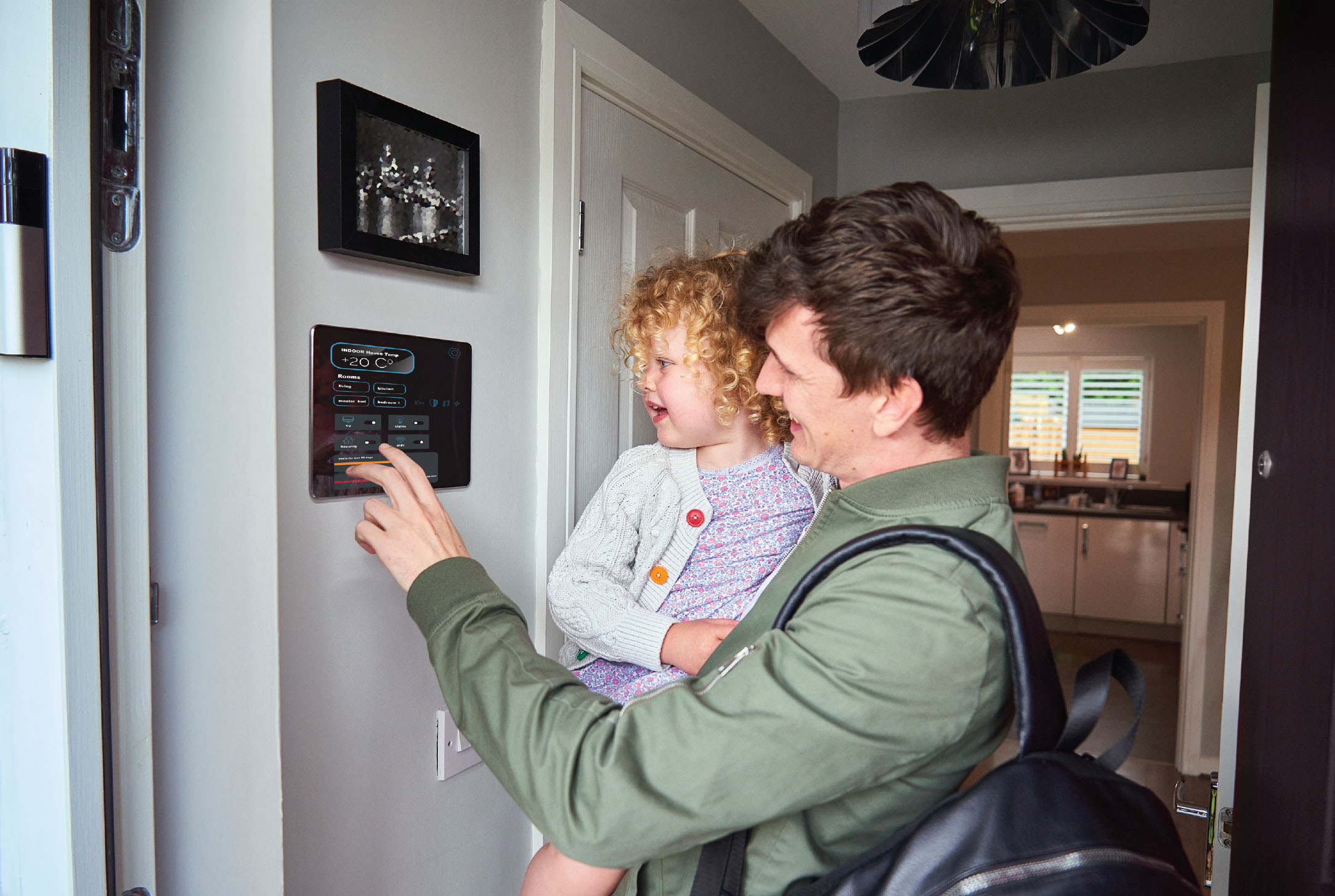
If you’re an electricity customer, we have online tools to help you track how much electricity you’re using at different times throughout the day. You also have access to My energy use, through Account Online, to access personalized energy-saving tips to help lower your summer energy use.
If you’re a gas customer, more detailed insights into gas use with greater access to your usage data is a future benefit of our Advanced Metering Infrastructure (AMI) Project. You can learn more about that project and how it will help enhance the customer experience by visiting the AMI benefits and technology page.
By applying energy conservation tips and choosing energy-efficiency upgrades for targeted areas of your home, you can take the first steps to lowering your energy use. And during periods of extreme heat, you can put strategies in place to do that while staying cool and comfortable, too.
1Natural Resources Canada, Humidity levels
2Natural Resources Canada, Cooling and ventilating equipment for residential use
3Government of British Columbia, Be prepared for extreme heat and drought
Related stories