Graduating to new possibilities: supporting Indigenous youth in Chilliwack
November 10, 2026

Not long ago, the average graduation rate for Indigenous youth in the Chilliwack region of Stó:lō S’ólh Téméxw was 55 per cent. Today, that number is 79 per cent. It’s an encouraging sign of progress, but it points to an important question: what does it take for more Indigenous youth to thrive?
Key takeaways:
- The Mémiyelhtel program provides long-term, culturally relevant and individualized support to Indigenous youth.
- With about 100 young people on its waitlist, the program is looking for more resources to meet growing demand.
- FortisBC contributed $25,000 to Mémiyelhtel through the Indigenous Initiatives Fund in 2025 to support its community-led work.
Support beyond the classroom
Helping youth thrive means looking beyond what happens in the classroom. For some youth, difficulty at home, health concerns or trouble finding the right support can make staying focused on school just one part of a much bigger challenge.
During those times, having a trusted adult to turn to can make a huge difference. It can mean having someone who listens, advocates for them and keeps showing up when they’re needed. But when a young person has been let down before, accepting help isn’t always easy. Building trust again can take time.
“There are a lot of young people who are resistant to support,” shares Breanna Miller, youth services manager at Mémiyelhtel. “They’ve had adults come into their life and leave for all kinds of reasons. But [our work] is about breaking that narrative.”
What is Mémiyelhtel?
Mémiyelhtel is a culturally led and grounded mentorship program for Indigenous youth in Chilliwack, implemented by Stó:lō Service Agency (SSA). It’s focused on something simple but important—meeting each young person where they are. At the heart of the program is a goal reflected in its traditional Halq’emeylem name: helping youth be well.
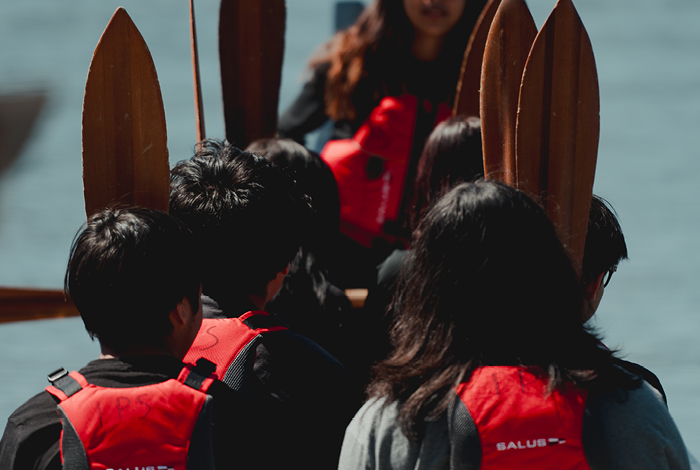
On Cultus Lake (Soowahlie Territory), a group of program youth, staff and Elders join the Indigenous liaison RCMP officers to "wake up" the canoes for the season.
“We want to make sure that in their time with us, they feel like they matter, they are loved, they are connected, and that they have healthy adults in their life to walk with,” Breanna continues.
For some youth, that support includes being paired with an Intensive Support and Resource Worker (ISRW) whose role is to be the young person's “#1 Fan.”
Being someone's #1 fan means being in their corner when things are going well and when things are challenging. They know that bottom line, we are here for them. Lots of times it's being their mirror and showing them all the strengths and resilience that they probably don't see within themselves.
Breanna Miller, youth services manager, Mémiyelhtel
At Mémiyelhtel, support is tailored to the individual and considers different parts of their life from family, health and school, to culture, recreation and social connections. When a youth is enrolled in the program, they’re assessed for their immediate and primary health needs as well as the overall needs of their family unit, which may include securing housing or financial assistance. Beyond that, they’re exposed to various cultural teachings and experiences, provided opportunities to participate in sports or other recreational activities, taught important life skills including managing finances and much more.
Through this culturally grounded, holistic approach Mémiyelhtel helps youth build a strong sense of identity, self-love and acceptance, while recognizing and celebrating their resilience and perseverance. The program recognizes that every young person’s circumstances are different and also helps connect them with other resources in their community.
How can community support make a difference?
Investing in youth programs can help open doors to opportunities that may not otherwise be accessible. These initiatives can help young people build skills, confidence and connections while supporting pathways to education, apprenticeships and employment.
For Mémiyelhtel, community support also means being able to reach more youth. With about 100 young people currently on the waitlist, additional resources can help the program respond to growing demand.
There are many ways people and organizations can get involved. Mémiyelhtel welcomes individual donations, corporate sponsorships and gifts in kind, including goods, services and expertise that can enhance the program experience.
For FortisBC, supporting Indigenous initiatives like Mémiyelhtel is just one way we’re putting our Reconciliation Strategy into action. Engaging with community organizations is an important part of that work, including supporting Indigenous-led initiatives that contribute to social, cultural and community well-being.
Supporting community-led initiatives means supporting the needs and priorities that benefit communities in ways that make sense for them. It’s about meeting people where they’re at and putting our commitment to Reconciliation into action.
Samantha Singbeil, manager, Indigenous Relations, FortisBC
In 2025, that included contributing $25,000 to Mémiyelhtel through the Indigenous Initiatives Fund, which helped support the program’s day-to-day work happening directly with youth.
“That funding went right to the front line, to our Intensive Support and Resource Workers and into the resources we use daily to do the work,” shares Breanna. “It probably bought a few cheeseburgers that were shared over conversations that changed moments for young people,” she adds with a laugh.
What does success look like?
For Mémiyelhtel, success is specific to each individual. Graduation is an important milestone, but so is building confidence, connecting with culture and developing a strong sense of identity.
Earlier this year, our Indigenous Relations team was invited to attend a Mémiyelhtel graduation celebration, where the ceremony included an opportunity to hear directly from young people about what the program meant to them.
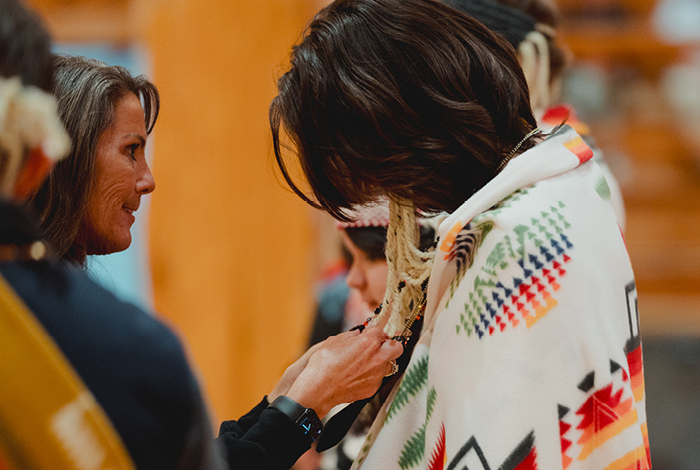
Bridgette Boyer (left), an Intensive Support and Resource Worker with Mémiyelhtel, presents a graduating youth with a dog tag highlighting a character trait she identified in him during the program’s year-end graduation ceremony in Shxwhá:y Village.
“It was so powerful to hear those young adults talk about what the program did to change their lives and set them on a path of their creation. They were very clear about where they were headed,” recalls Sarah Prien, community & Indigenous Relations manager at FortisBC.
The celebration offered a glimpse of what success can look like. Each person’s path will be different, but having the right support along the way can open new possibilities for what comes next.
FortisBC is proud to support the work Mémiyelhtel is leading in the community and will continue building meaningful relationships with Indigenous Peoples. Through listening, collaboration and shared learning, we are committed to supporting community-identified priorities on our ongoing journey toward Reconciliation.
Learn more about our work with Indigenous communities and our journey toward Reconciliation.
Related stories