Hot water and plumbing tips and resources
On average, about 26 per cent of a home’s total energy use goes towards heating water.1 Being efficient with your water use—both hot and cold—will not only help you save on water heating costs but also help conserve a precious resource.
Tips to help lower your energy use
- Install a low-flow showerhead with a flow rate under seven litres per minute
- Install faucet aerators in the kitchen and bathroom that deliver less than 4.7 litres per minute
- Fix leaky faucets by replacing the washer
- Wash your clothes in cold water and avoid overloading the machine
- Run your dishwasher only once it’s full
- Put your electric water heater on a timer
- When it’s time for a new water heater, invest in a high-efficiency model or tankless water heater
Watch and learn
Step-by-step video guides to help you save on water heating costs.
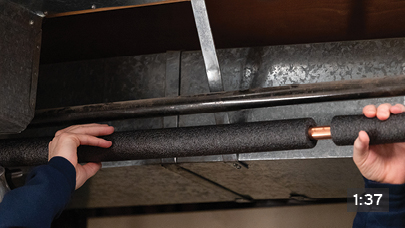
How to insulate your hot water pipes and reduce heat loss
Pipe insulation helps to reduce heat loss from your hot water pipes and improves overall energy efficiency. It’s another step towards lowering your utility bills.
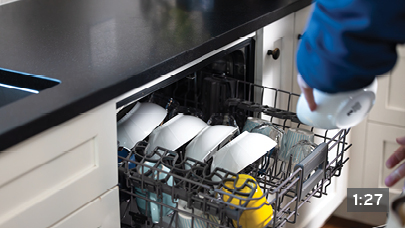
How to save on water heating costs
Saving money on water heating is easier than you think. Consider washing your clothes in cold water, installing a low-flow showerhead and other simple DIY tips.
Explore rebates and resources
Want to learn more? Explore rebates, energy-saving tools and useful resources to help reduce your energy use and lower your home heating and cooling costs.
- Heat pump water heater rebate
You may be eligible for up to $1,000 when you upgrade to a high-efficiency heat pump model. - Income-qualified heat pump water heater rebate
Income-qualified customers may be eligible for a $2,500 rebate. - Free Energy Saving Kit
Find out if you qualify for this free energy-saving bundle.
Explore our full list of home rebates and offers as well as all income-qualified rebates and offers.
- Power Hours Rewards Program
Earn bill credits by using less electricity during busy times. - My Energy Use
Get a full breakdown of how you’re using your energy. - Your house as a system
A holistic approach to energy efficiency.
1Source: National Resources Canada, Office of Energy Efficiency, Comprehensive Energy Use Database, Residential Sector, British Columbia, Table 2, Secondary Energy Use Shares, 2020.

