Heating and cooling tips and resources
More than 50 per cent of the total amount of energy used in a home goes toward space heating.1 With a few low-cost upgrades and simple habits, you could notice real savings on your heating and cooling costs.
Tips to help lower your energy use
- Vacuum your baseboard heaters to improve efficiency
- Keep outdoor heat pump units free of vegetation or clutter so air can flow freely
- Keep your thermostat set at the same temperature day and night
- Invest in a high-efficiency fireplace with an EnerChoice sticker
- Keep windows, curtains and blinds closed in the summer to reduce unwanted heat
- Avoid heating non-insulated spaces such as your garage, crawl space or attic
- Plant a shade tree on the southwest/southeast side of your home
Watch and learn
Step-by-step video guides to help you save on heating/cooling costs.2
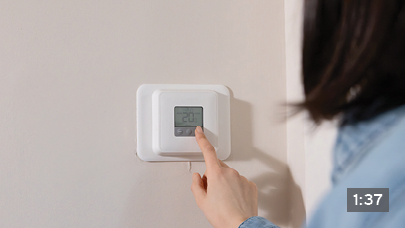
How to program your thermostat and save energy
Programmable thermostats are a great way to stay in charge of your energy usage. Set your heat or AC based on your winter/summer schedule. It could help lower your energy bills.
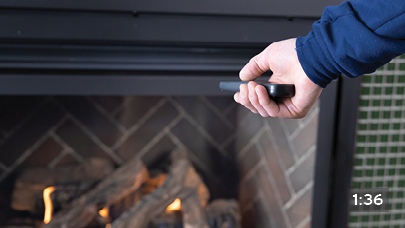
How to use zone heating/cooling to save energy
By dividing your home into separate areas with their own temperature controls, you can prevent heating unoccupied rooms and become more energy efficient.
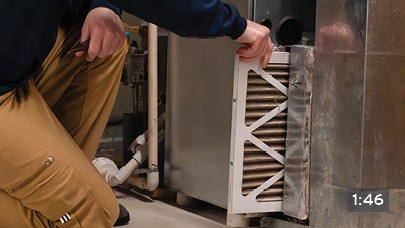
How to change your furnace filter and improve efficiency
Your furnace plays a big role in both air quality and energy usage, so be sure to change your filter regularly. Before you do, double check what size filter your furnace requires and the recommended Minimum Efficiency Reporting Value (MERV) rating.
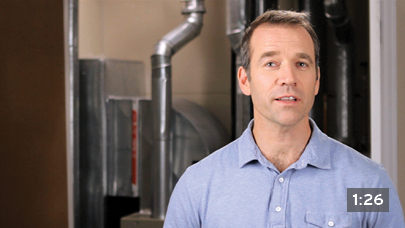
How to get your furnace serviced
Have your furnace, boiler or heat pump serviced annually by a licensed contractor to ensure it’s working safely and efficiently.
Explore rebates and resources
Want to learn more? Explore rebates, energy-saving tools and useful resources to help reduce your energy use and lower your home heating and cooling costs.
1Source: National Resources Canada, Office of Energy Efficiency, Comprehensive Energy Use Database, Residential Sector, British Columbia, Table 2, Secondary Energy Use Shares, 2020.
2Note: if you have a heat pump system
with a backup heat source, keep your temperature setting consistent because turning down the thermostat can actually increase energy consumption. If the difference between the room temperature and the thermostat setting is more than 1 °C to 2
°C, the backup heat source, which may not be as energy efficient, will come on.