Draftproofing and insulation tips and resources
Caulking windows and weatherstripping doors can help prevent drafts from getting in and heat from getting out. Installing window film can further improve the comfort of your home and help save on energy bills.
Tips to help lower your energy use
- Use a thermal detector to check for drafts: a 5 °C change in temperature might mean you have a leak
- Seal common draft locations such as windows, baseboard and attic hatches
- Stop drafts under doors by installing a door sweep
- Keep windows and doors closed when heating or cooling your home
- Inspect your weatherstripping annually and replace damaged seals as needed
Watch and learn
Step-by-step video guides to help you save with draftproofing and insulation.
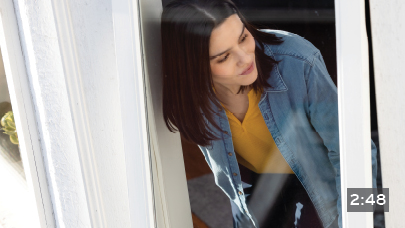
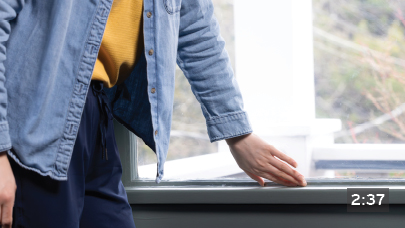
How to weatherstrip windows and decrease heating costs
Poorly sealed windows can account for up to 30 per cent of your home heating costs. Caulking and weatherstripping are inexpensive ways to help keep the cold air out and the hot air in.
How to insulate your windows and keep cold air out
Installing plastic film insulation is both cost-effective and straight-forward enough to do yourself. It’s designed to stop the cold air from getting into your home and it just might help you lower your energy bills.
How to prevent outlet drafts and reduce energy consumption
Foam gaskets are an inexpensive but effective way to block out drafts and improve your home’s energy efficiency.
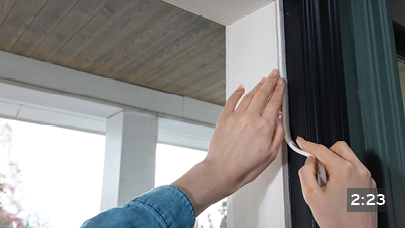
How to weatherstrip a door and eliminate drafts
There are several ways to weatherstrip your exterior doors. Consider compression seals, V-strips, threshold blocks and more. It could help you reduce your home’s energy costs.
Explore rebates and resources
Want to learn more? Explore rebates, energy-saving tools and useful resources to help reduce your energy use and lower your home heating and cooling costs.